Key Points
- Baghdad is weighing Mediterranean pipeline routes to Syria and Turkey to bypass the Strait of Hormuz.
- Asia bought 72% of Iraqi crude in 2024, far from any Mediterranean loading point.
- Building capacity without securing customers could swap a shipping bottleneck for a marketing one.
The latest:
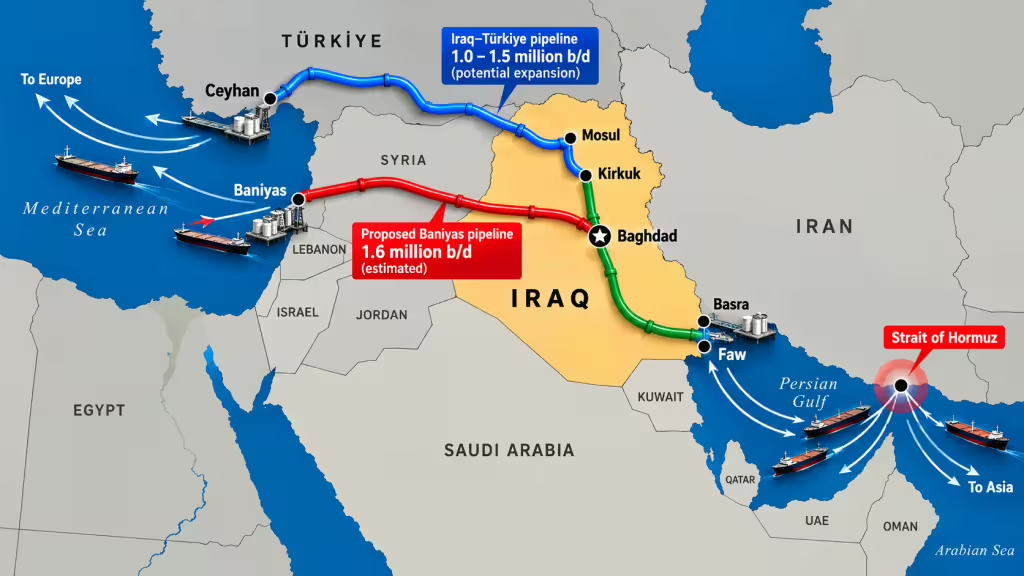
A proposed pipeline to Syria’s Mediterranean port of Baniyas, estimated to cost as much as $15 billion, would give Iraq an export route that avoids the Strait of Hormuz entirely. Baghdad has held talks with international companies on developing it, alongside expanded use of the existing line to Turkey’s Ceyhan terminal. Financing terms and final capacity have not been settled.
Details:
- The Baniyas numbers: One projected pumping figure for the Syrian route is 1.6 million barrels per day, though project designs and reported capacity estimates vary. The route remains a proposal, and neither its capacity nor its financing terms are final. No construction timeline has been announced.
- How it would be paid for: Financing has yet to be settled. One possible arrangement under discussion would channel a portion of future export proceeds back toward repaying construction costs, an approach that would tie Baghdad’s revenue to sustained throughput on the new line for years.
- The Turkish route: The Ceyhan pipeline could carry considerably more Iraqi crude under a future, broader agreement with Ankara. A target of 1 million to 1.5 million barrels per day would turn it into a major outlet, but that figure is prospective rather than agreed.
- What was actually signed: The one-year agreement concluded in August covers a lower volume than the prospective target. Turkey has separately expressed interest in using the pipeline’s full capacity, a position that has not been translated into a binding higher-volume commitment.
- The combined scenario: Taken together, the higher-volume cases for Baniyas and Ceyhan could place around 3 million barrels per day, or more, on western export routes. Those remain potential obligations rather than commitments established by the current agreements.
- Where the buyers are: Asia has been Iraq’s principal crude market, taking 72% of Iraqi crude exports in 2024, according to the U.S. Energy Information Administration. Mediterranean loadings sit far from that demand base, reversing the geography that has underpinned Iraqi sales.
- The European competition: Crude delivered to the Mediterranean would land closer to Europe, where it would compete with established suppliers including the United States, Norway, Nigeria, Algeria and Libya. Placing very large additional volumes into that market could require more favourable pricing.
- The freight penalty: Selling Mediterranean-loaded crude back into Asia carries its own cost. The longer voyage and higher freight bills could weaken its competitiveness against barrels shipped to Asian buyers from Gulf or Red Sea terminals, meaning pipeline capacity alone may not preserve Iraq’s existing sales pattern.
Background:
Iraqi crude exports depend heavily on Gulf shipping through the Strait of Hormuz. Disruption in the waterway exposed that concentration, pushing Baghdad to look at overland routes westward to the Mediterranean through Syria and Turkey.
Between the lines:
The two risks pull against each other. Pipelines to Baniyas and Ceyhan reduce the danger of exports being constrained at Hormuz, but repayment structures tied to future proceeds would require sustained flows regardless of where demand sits. With 72% of sales going to Asia and Mediterranean barrels facing entrenched European suppliers, large discounts plus construction and operating costs could erode the value of each barrel the routes were built to protect.
What’s next
Watch whether the August one-year Ceyhan agreement is replaced by a broader, higher-volume deal with Turkey, and whether Baghdad converts its talks with international companies into a financing structure for Baniyas.