
Key Points
- Turkey says it is ready to meet Saudi military needs, particularly technical requirements, as Houthi attacks intensify.
- The offer puts a three-country defence agreement signed by Turkey, Saudi Arabia and Pakistan last month under its first test.
- Saudi oil infrastructure and Red Sea export routes are gaining importance amid disruption around the Strait of Hormuz.
The latest
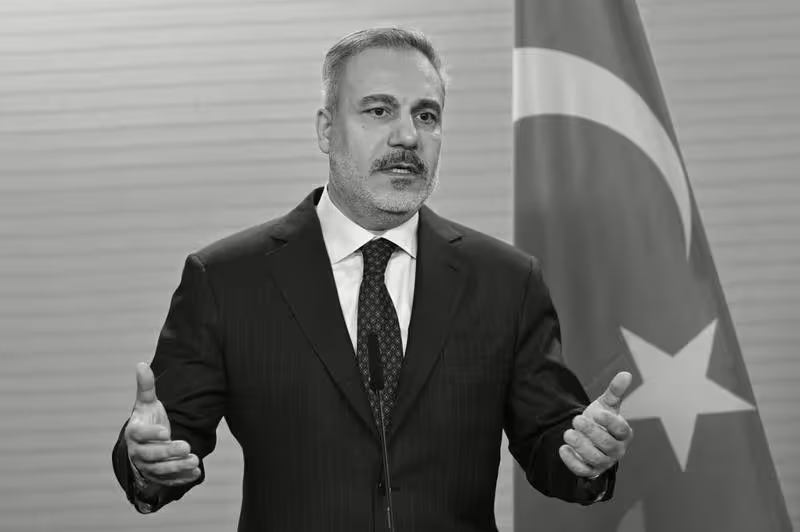
Turkey has offered to help meet Saudi Arabia’s military needs under the Mecca Joint Defence Agreement after another claimed Houthi attack on the kingdom. Foreign Minister Hakan Fidan said Ankara was prepared to assist particularly with technical issues, hours after the Houthis said they had launched missiles and drones at “sensitive” sites in Riyadh. Flames and a large plume of smoke were seen near the Saudi capital’s main airport.
Details
- Technical readiness: Fidan told NTV that Turkey would have “no issues” meeting Saudi needs, describing the attacks as serious threats to the kingdom’s territorial integrity and sovereignty. His comments indicated Ankara was ready to respond to specific Saudi requests involving military technology and technical capabilities, rather than limiting its position to political support.
- Collective defence: Signed last month by Turkey, Saudi Arabia and Pakistan, the Mecca agreement treats an armed attack on one member as an attack on all three. Turkey has said the framework can expand and is not intended to replace existing alliances. The Houthi escalation is its first major operational test.
- Pakistan’s position: Pakistan has taken a more cautious position, saying no military response under the pact had been discussed in connection with the Houthi attacks. Islamabad nevertheless said it would act if circumstances required, leaving open how the collective-defence language might be applied.
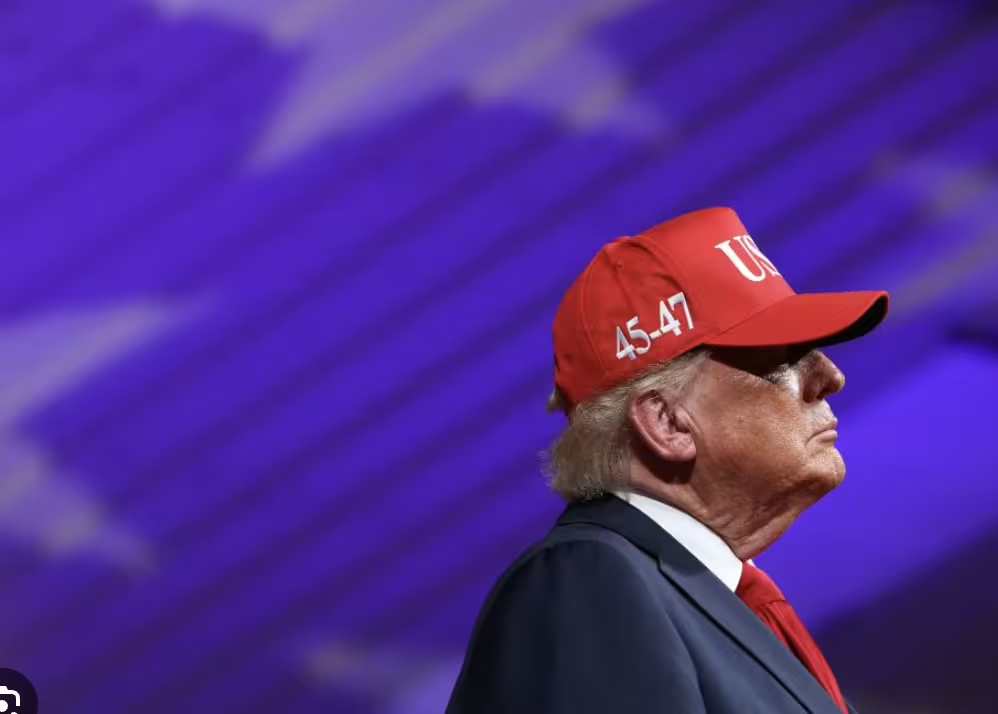
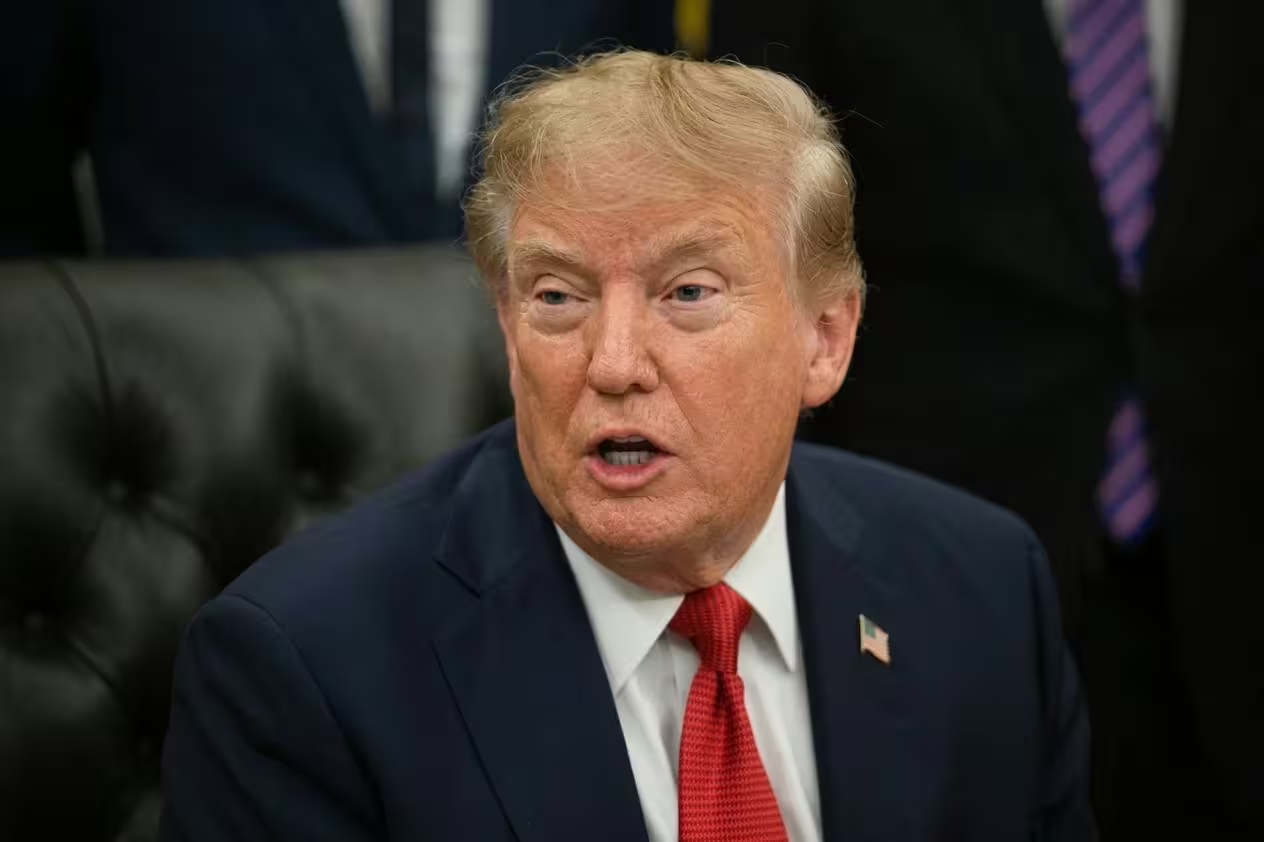
- US distance: Riyadh has also requested US military assistance against the Houthis, but President Donald Trump rejected calls for direct American intervention. Washington’s stance leaves Saudi Arabia seeking support while trying to contain spillover from the regional conflict that followed US and Israeli strikes on Iran in late February.
- Energy routes: Saudi Arabia’s East-West oil pipeline and Red Sea terminals offer an alternative export route when Gulf shipping is constrained. That role has grown more important amid disruption through the Strait of Hormuz. Sustained attacks could affect oil production and transport while lifting prices, insurance costs, shipping disruption and security spending.
- Regional role: Turkey’s offer fits Ankara’s push for closer defence and political relations with Gulf states, backed by an industry supplying drones, missiles, air-defence systems and other technologies. Fidan also argued that Saudi Arabia should not be drawn into the broader US-Iran confrontation and said diplomatic proposals had been presented to end the fighting.
Background
The Houthis control Yemen’s most populous areas and are backed by Tehran. Their campaign has moved beyond the Saudi-Yemeni border theatre to cities, military facilities, energy assets and maritime routes, adding a global energy dimension to a conflict that broadened after the late-February strikes on Iran.
What’s next
Attention now turns to whether Riyadh submits specific requests for Turkish assistance and whether the three partners formally discuss a response under the Mecca agreement, indicating how far the pact is becoming operational.