Key Points
- Long petrol queues have formed across Tehran as shortages intensify under the US naval blockade.
- Iran’s daily petrol deficit is 15mn litres after imports tightened and bombing damaged refining capacity.
- Quota and pricing decisions carry high stakes as inflation nears 90 per cent and the rial hits a record low.
The latest
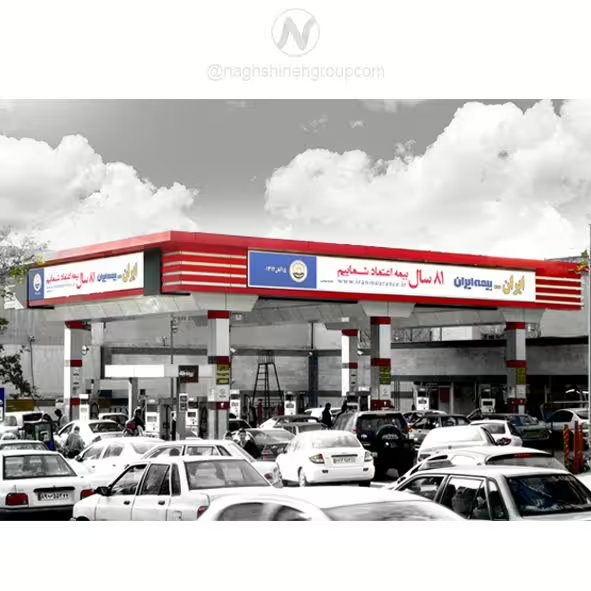
Long queues have spread across petrol stations in Tehran as motorists rush to secure fuel amid shortages caused by the US blockade and wartime supply disruption. An attendant said drivers were filling up “even before their tanks are empty” because they feared renewed fighting or price rises. A 20-litre limit per car is forcing repeat visits. Iran’s Energy Optimisation Organisation has called the petrol shortfall “critical”, as Washington widens a campaign it describes as “economic warfare” against Tehran.
Details
- Supply squeeze: Iran, a major crude exporter, has long imported petrol to cover insufficient domestic supplies. The naval blockade, in place since July 14, has severely restricted those purchases. US and Israeli strikes destroyed part of Iran’s refining capacity during the early weeks of the war that began in February. Northern routes have also tightened because of the Ukraine war and Russian refinery losses.
- Pressure campaign: US Treasury Secretary Scott Bessent said Washington was broadening secondary sanctions on Iran’s trading partners to tighten economic and financial pressure. Tehran has rejected Donald Trump’s demand to reopen the Strait of Hormuz. Both sides accuse each other of violating a June deal intended to reopen the waterway gradually and prepare negotiations on a final settlement.
- Subsidy burden: Iran sells petrol to its population of 90mn at between IR15,000 and IR50,000 per litre, among the world’s lowest prices. After months of drawing on strategic reserves, the government says the pricing and quota system is unsustainable. President Masoud Pezeshkian said buying petrol at IR1.3mn per litre and selling it for IR15,000 drained resources needed for food and worker support.
- Quota rethink: Mohsen Haji-Mirzaei, head of the president’s office, said quotas would definitely be reduced, although no final pricing decision had been made. Motorists may have to pay more for consumption beyond their allocation. He cited uncertainty over the social, economic and security effects of any new pricing policy.
- Economic strain: The rial has fallen to a record IR2mn against the dollar, while annual inflation is nearly 90 per cent and food inflation about 130 per cent. A pilot petrol price increase in Kerman province was halted within hours this month. Fuel pricing remains sensitive after an overnight increase in 2019 triggered deadly protests across Iranian cities.
- Policy alternatives: Tehran-based energy analyst Morteza Behrouzifar described petrol prices as a barometer of inflation capable of delivering a severe economic shock. He urged continued short-term supply measures alongside improvements to public transport, domestic carmaking and refining, warning that households were already under intense pressure.
What’s next
The government’s next decision will determine how far petrol quotas are reduced and what motorists pay above their allocations. The final mechanism will follow the rapid suspension of the Kerman pricing trial.