The Story
Tensions between Saudi Arabia and the Houthis returned through Sanaa airport, after the group said Saudi warplanes tried to prevent an Iranian civilian aircraft from landing at the airport under its control.
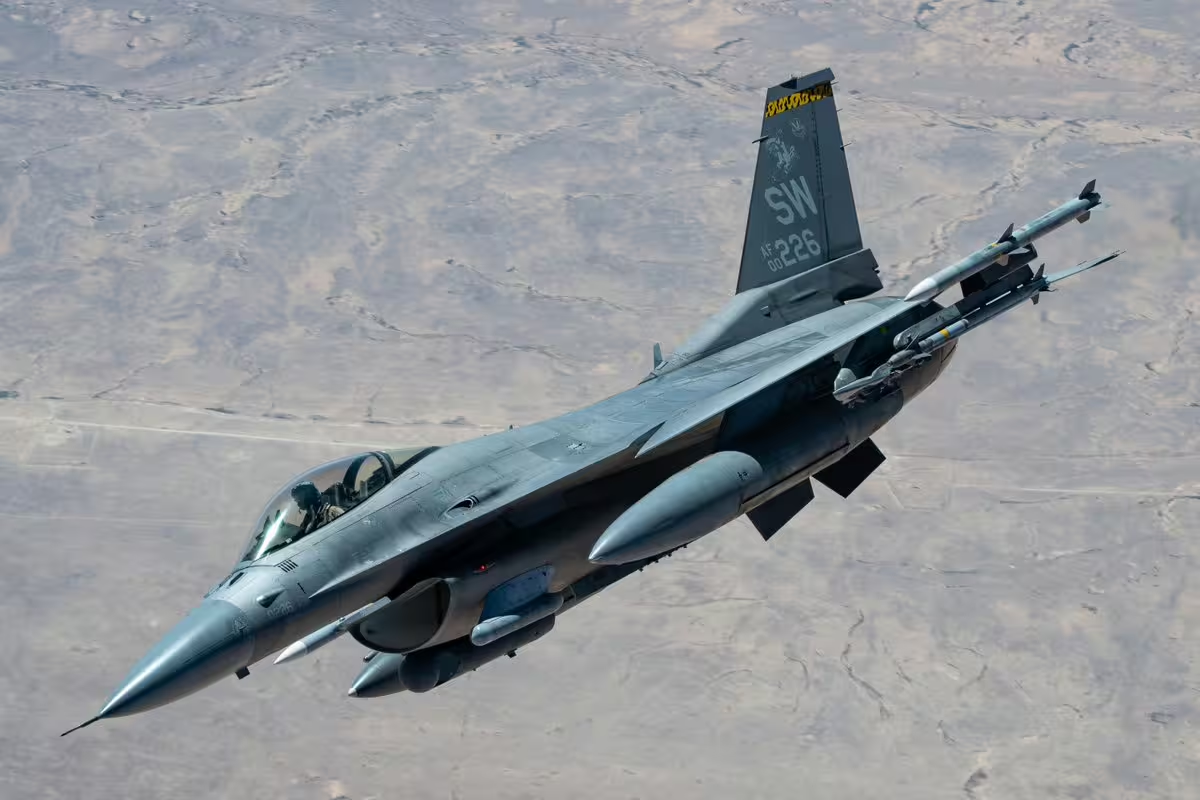
Houthi military spokesman Yahya Saree said the group’s air defenses confronted the Saudi aircraft and forced them to leave Yemeni airspace. He warned that their “finger is on the trigger,” and that any repeat of what he described as a violation of Yemeni airspace would be met with a broad response targeting Saudi airports and interests.
In response, the Saudi-led coalition adopted a hard tone, warning that it would respond “firmly and with unprecedented force” to any attempt to target the Kingdom or undermine Yemen’s sovereignty. That response shows Riyadh viewed the incident as an Iranian message through the Houthis, not just an isolated airspace dispute.
Details
The Iranian aircraft: The flight is believed to have been operated by Mahan Air, an Iranian airline under U.S. sanctions over alleged links to the Islamic Revolutionary Guard Corps. Its arrival in Sanaa revived the central question around the airport: is it a humanitarian gateway, or a direct channel of Iranian influence?
The Houthi narrative: The group said the aircraft was carrying stranded Yemenis, patients and wounded civilians, and that flights with Tehran would continue “regardless of the consequences.” The message was clear: Sanaa wants to break aviation restrictions and impose a new reality.
The Yemeni government’s narrative: Officials in the internationally recognized government said the flight cannot be separated from Iranian support for the Houthis, arguing that the aircraft may have carried experts or equipment. That explains Saudi and Yemeni government sensitivity toward opening a direct Tehran-Sanaa route.
The Saudi position: Saudi Arabia did not settle for denial or silence; it raised the warning level. The phrase “unprecedented force” suggests Riyadh does not want to return to the old rules of engagement, where the Houthis threaten airports and vital facilities while the confrontation remains contained.
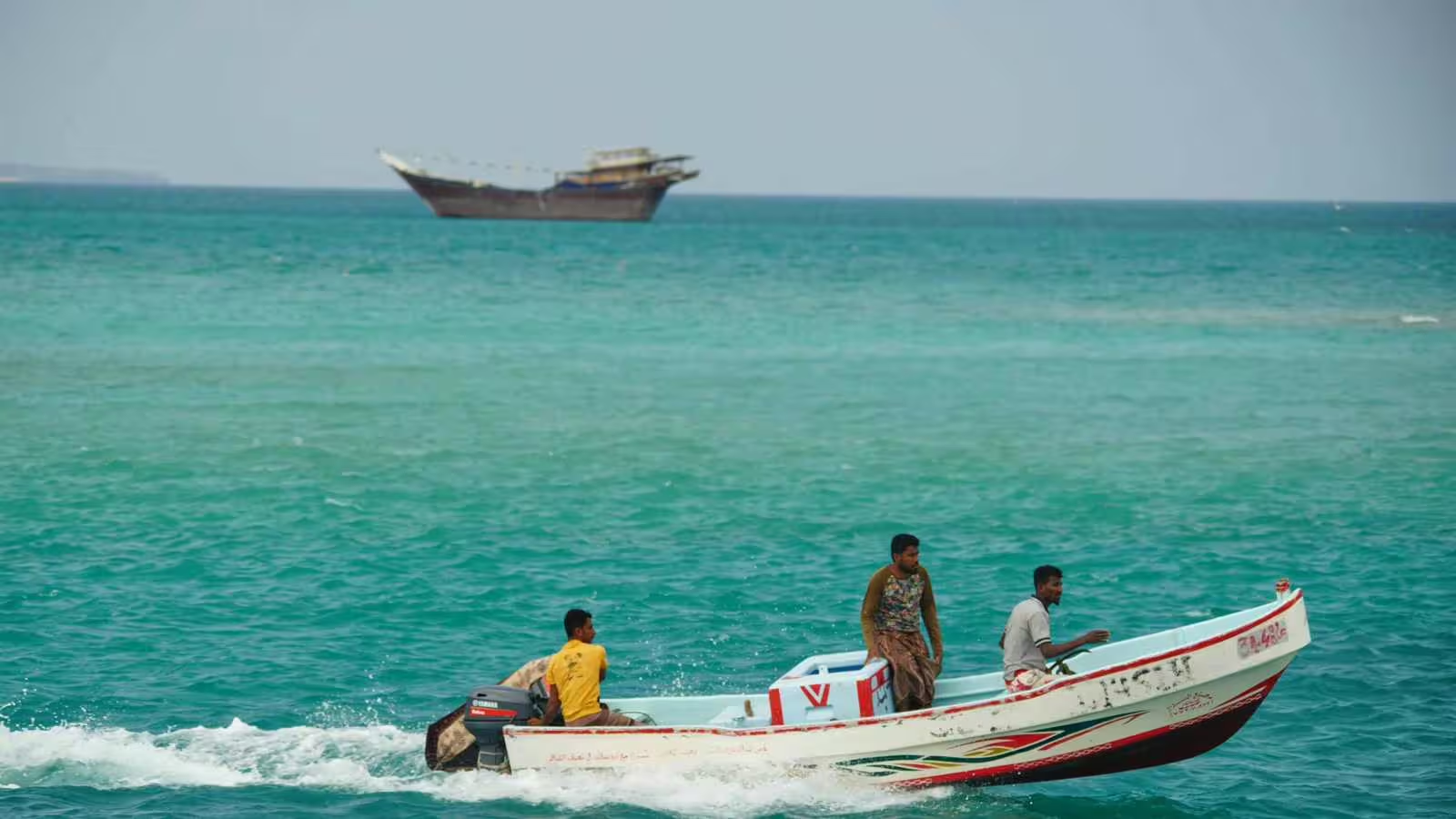
The western coast: In parallel with the Sanaa airport crisis, movements and clashes were reported in Hodeidah and Tihama. The airport escalation may be the visible front, while the real pressure is moving toward the Red Sea and Bab al-Mandab.
Why now?
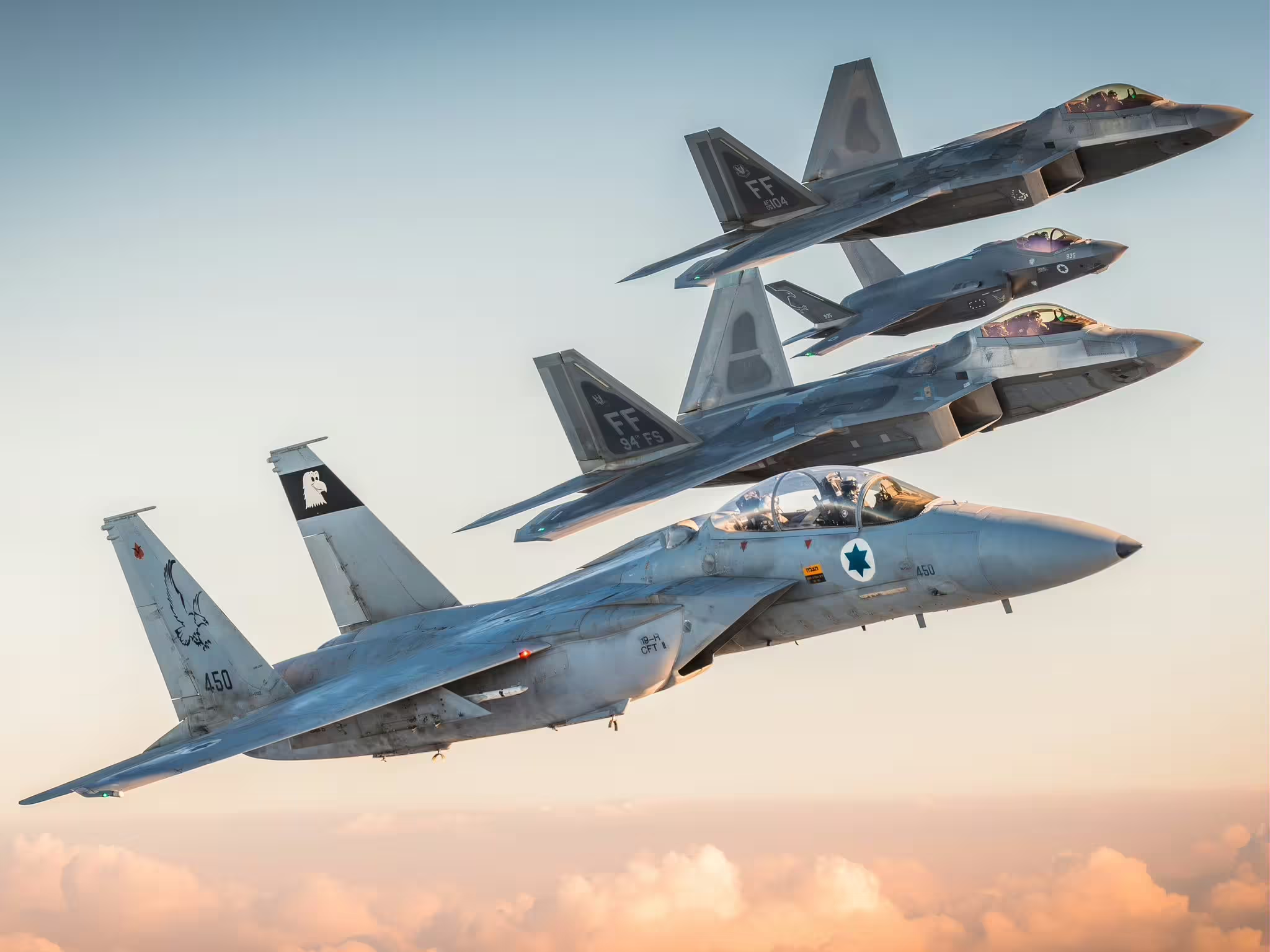
Timing is the core of the story. Iran has emerged from a costly confrontation with the United States and Israel, and needs to show that its network of regional influence has not collapsed. The Houthis are an ideal card: they control Sanaa, possess missile capabilities, and sit near one of the world’s most important trade chokepoints.
At a moment when Iran is mobilizing around the symbolism of mourning and political transition after Khamenei, the Houthis appear as a message to adversaries: Tehran can still activate distant arenas, from the Gulf to the Red Sea.
Is the Houthi card over?
Not over, but no longer free. The Houthis can still disrupt Saudi Arabia and maritime traffic, but every new escalation raises the cost of their role for Iran and gives their opponents a stronger argument to intensify military and political pressure.
The equation is now more dangerous: if Iran wants to use the Houthis as a negotiating card, it may move toward controlled escalation. But if the Houthis push into direct attacks on Saudi Arabia or wider threats near Bab al-Mandab, the card could turn from leverage into a regional burden.
Background
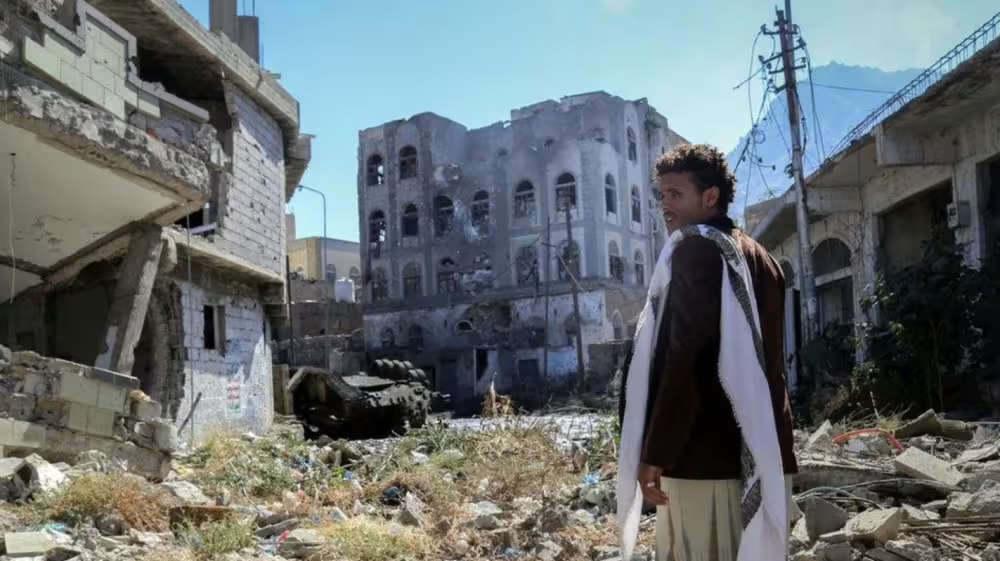
Since the 2022 truce, Saudi Arabia and the Houthis have avoided a return to broad direct confrontation, despite the continuation of Yemen’s political and military conflict. But Houthi attacks in the Red Sea after the Gaza war pushed the group back to the international forefront and tied Yemen once again to Iran’s confrontation with the United States and Israel. That is why the Iranian aircraft incident was not just an aviation detail; it was a new test: will Yemen remain a de-escalation arena, or return as an Iranian pressure platform against Saudi Arabia and maritime traffic?