The latest
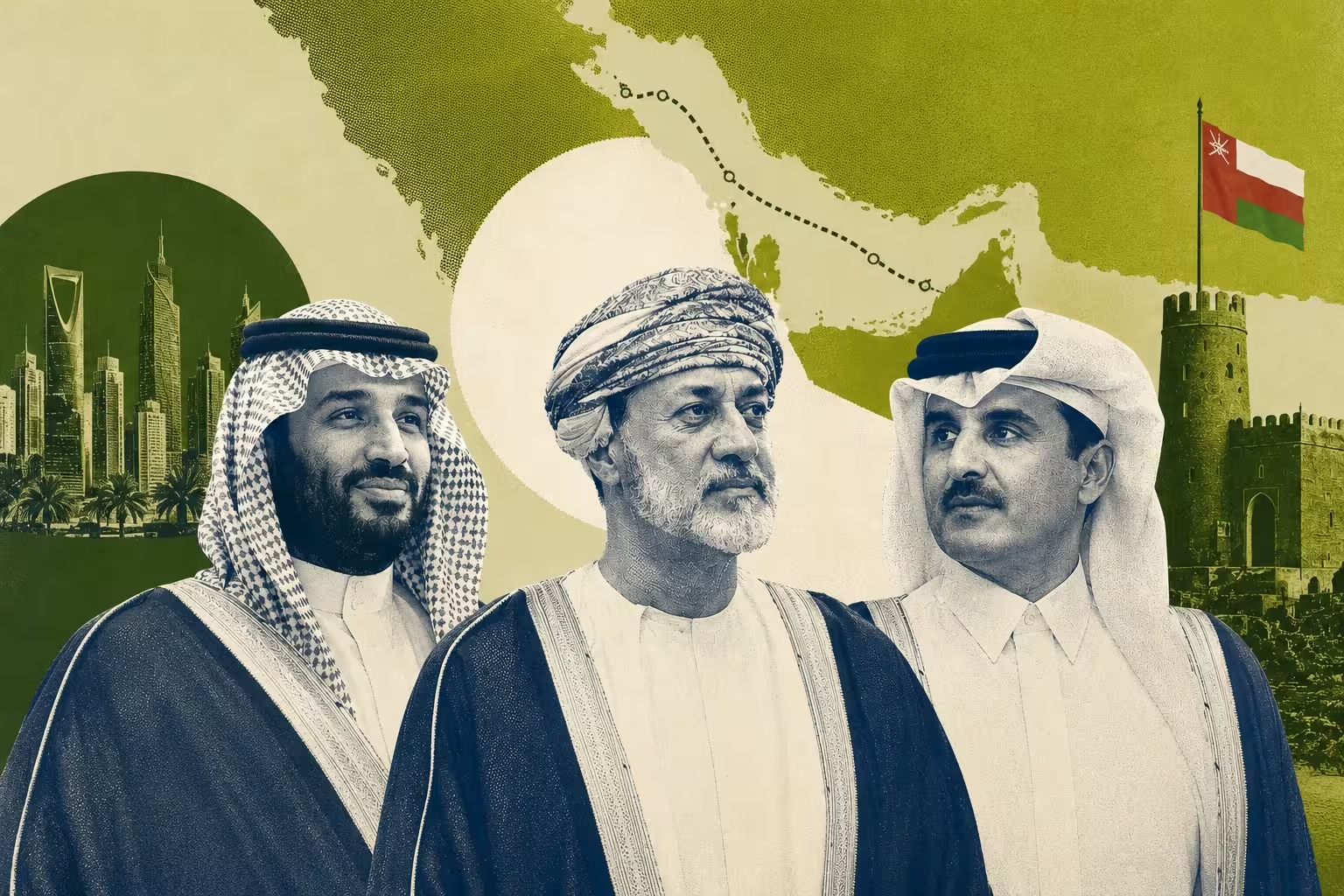
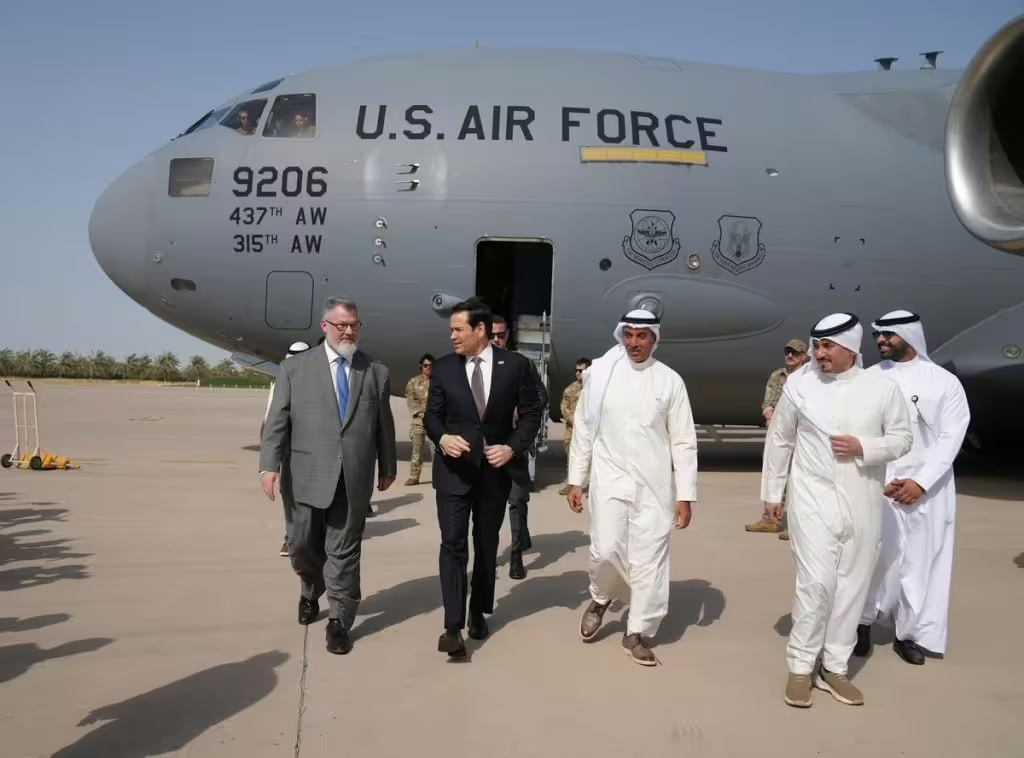
U.S. Secretary of State Marco Rubio is seeking to reassure Washington’s Gulf partners following the preliminary agreement reached between the Trump administration and Iran, a deal that has raised questions about whether Gulf security concerns were fully addressed.
During visits to the United Arab Emirates and Kuwait, Rubio stressed that the United States remains committed to the security of its regional allies. His trip comes as Gulf capitals weigh what Iran stands to gain from the agreement and whether it could allow Tehran to rebuild parts of its military capabilities.
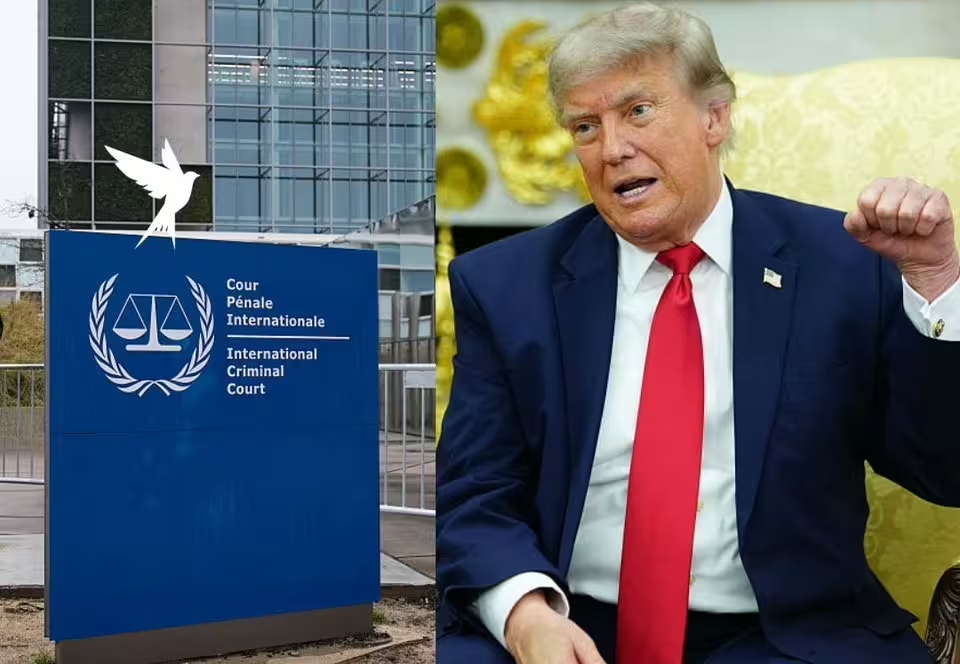
The Strait of Hormuz remains one of the most sensitive issues in the ongoing negotiations. President Donald Trump said Iran had assured Washington that it would not impose tolls, fees, or other charges on vessels transiting the strategic waterway. Earlier Iranian discussions about possible “service fees,” however, continue to fuel concern among Gulf governments and shipping operators.
The recent war severely disrupted traffic through the strait, which carries roughly one-fifth of global oil and gas shipments. While maritime activity has gradually recovered since the agreement was signed, uncertainty remains over how the waterway will be managed in the future.
Several Gulf states believe the current agreement focuses more on ending the conflict and restoring navigation than on addressing Iran’s missile arsenal and regional proxy networks—issues they consider essential to any long-term settlement.
Details
• Rubio met UAE President Sheikh Mohammed bin Zayed and Kuwaiti leaders as part of a regional effort to ease Gulf concerns.
• Washington insists the agreement with Iran does not weaken U.S. security commitments to Gulf partners.
• Trump said Tehran had pledged not to impose tolls or transit charges on vessels using the Strait of Hormuz.
• The future governance of the strait remains a point of disagreement among the parties involved.
• Iranian officials continue to reject any attempt to include the country’s missile program in a permanent agreement.
What to watch
The real test will come in the next phase of negotiations. If Iran’s missile capabilities and the long-term status of the Strait of Hormuz remain outside a final settlement, Gulf allies may emerge from the process more skeptical of U.S. security guarantees than before.