The latest
Israeli-Lebanese talks in Washington entered a more contentious phase after Israeli officials publicly criticized the U.S.-led mechanism aimed at reducing tensions in Lebanon, arguing that it risks diverting negotiations from their central objective: weakening Hezbollah and ending Iranian influence.
Yechiel Leiter, Israel’s ambassador to the United States and head of the Israeli delegation, said the fifth round of talks was taking place under what he called a “catastrophic situation,” warning that a process once aimed at achieving broader peace could be veering off course.
Details
• Leiter compared the negotiations to a train that had been moving toward “full peace” between Lebanon and Israel, but warned that recent U.S.-Iran understandings could shift the focus from resolving the conflict’s root causes to simply managing tensions.
• He argued that any lasting settlement must remain tied to dismantling Hezbollah, pushing the group away from southern Lebanon, and ending Iran’s influence inside the country. According to Leiter, genuine Lebanese sovereignty cannot exist while Tehran maintains military or political leverage there.
• His remarks reflect growing concern in Israel that the latest U.S.-Iran framework could give Tehran an indirect role in shaping Lebanon’s future, something Israeli officials view as a departure from the assumptions that guided previous negotiation rounds.
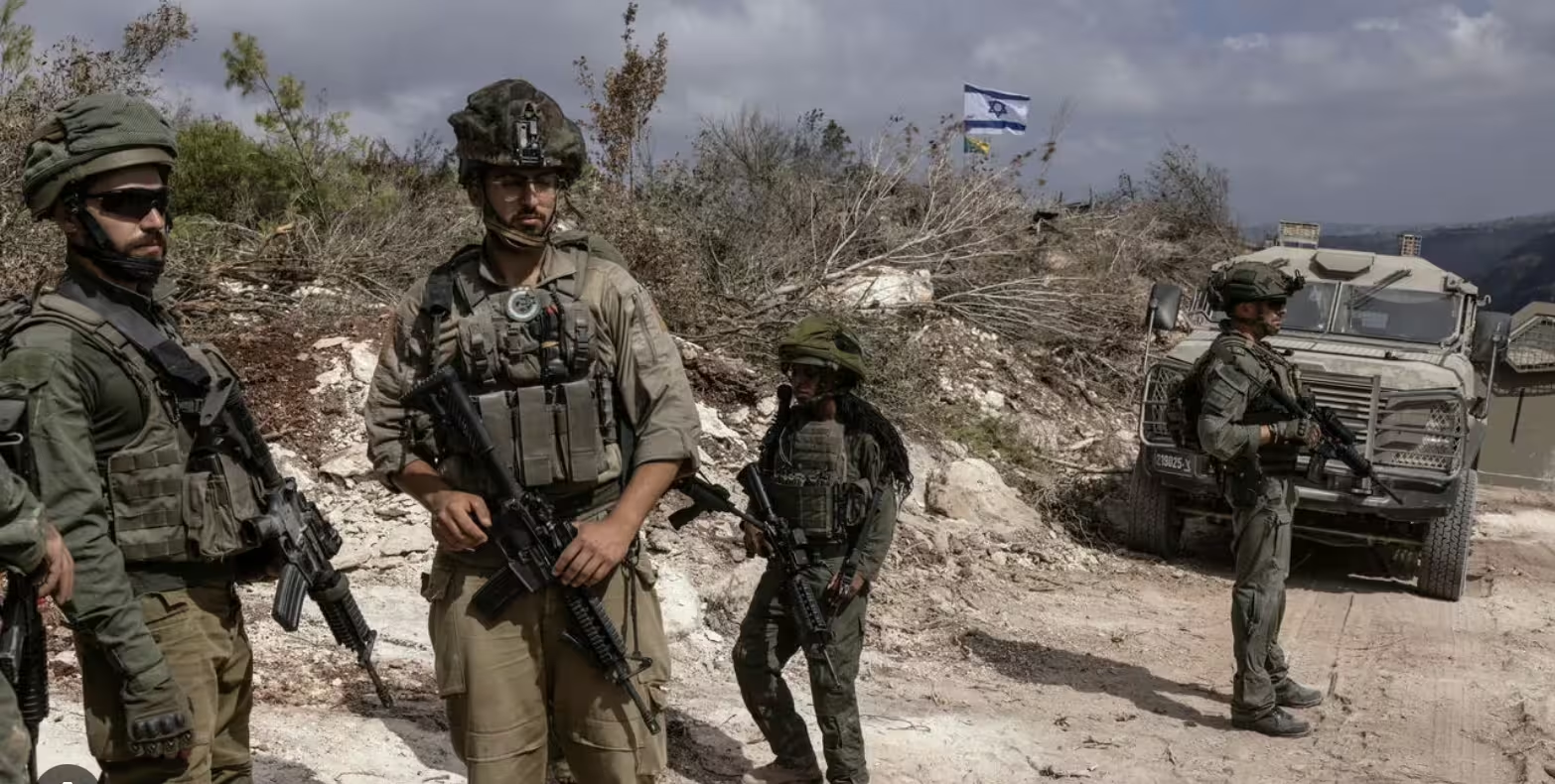
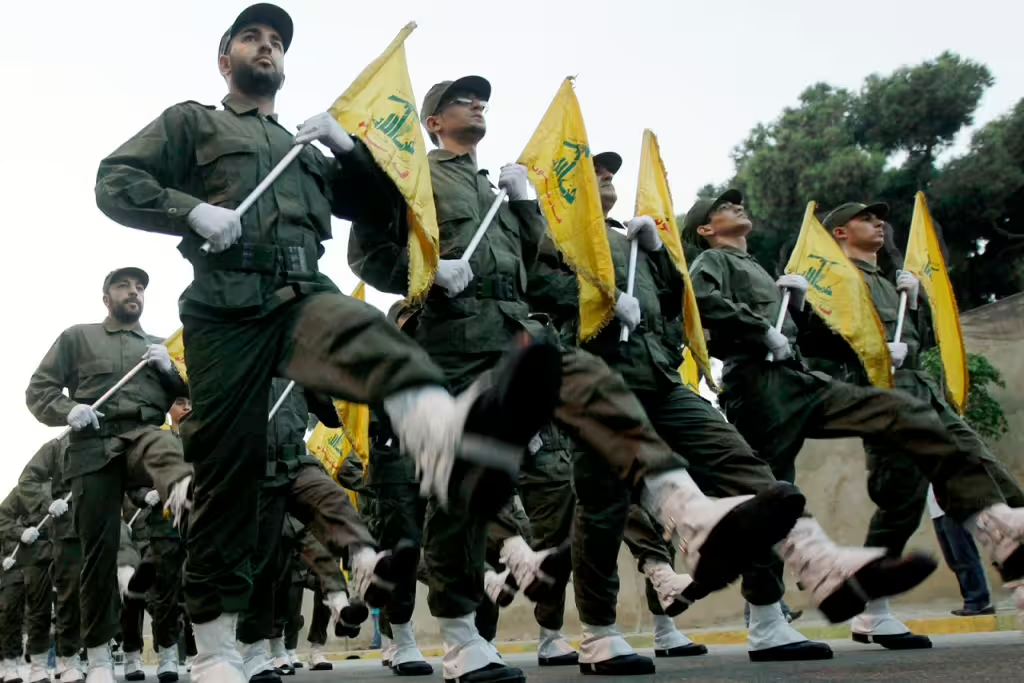
• Earlier rounds of talks focused on moving Hezbollah forces north of the Litani River and strengthening the Lebanese Army’s presence in the south as part of a broader effort to stabilize the border and open a path toward a wider agreement.
• Israeli Foreign Minister Gideon Sa’ar echoed that position, saying Hezbollah remains the central problem for both Lebanon and Israel, and describing the group as a major obstacle to Lebanese sovereignty and regional stability.
• Lebanon, meanwhile, continues to press for an Israeli withdrawal from disputed areas and an end to Israeli military activity on Lebanese territory, while skepticism remains high over the prospects for a major diplomatic breakthrough.
• Lebanese media reports have suggested that Qatar could take on a larger mediation role alongside the United States, either through indirect contacts with Hezbollah or as an intermediary between Israel and the Lebanese state. No final agreement on such a role has been publicly confirmed.
What to watch
The fifth round of negotiations may reveal whether Washington still sees Hezbollah’s disarmament as a core pillar of the process, or whether the focus is shifting toward securing a durable ceasefire and preventing another war. That question has become a key point of friction between Israel and the United States and could shape the future of the talks.