The latest
The global oil market has lost close to 1 billion barrels of supply since the outbreak of the war with Iran, as disruptions to Gulf exports and reduced traffic through the Strait of Hormuz continue to weigh on energy markets.
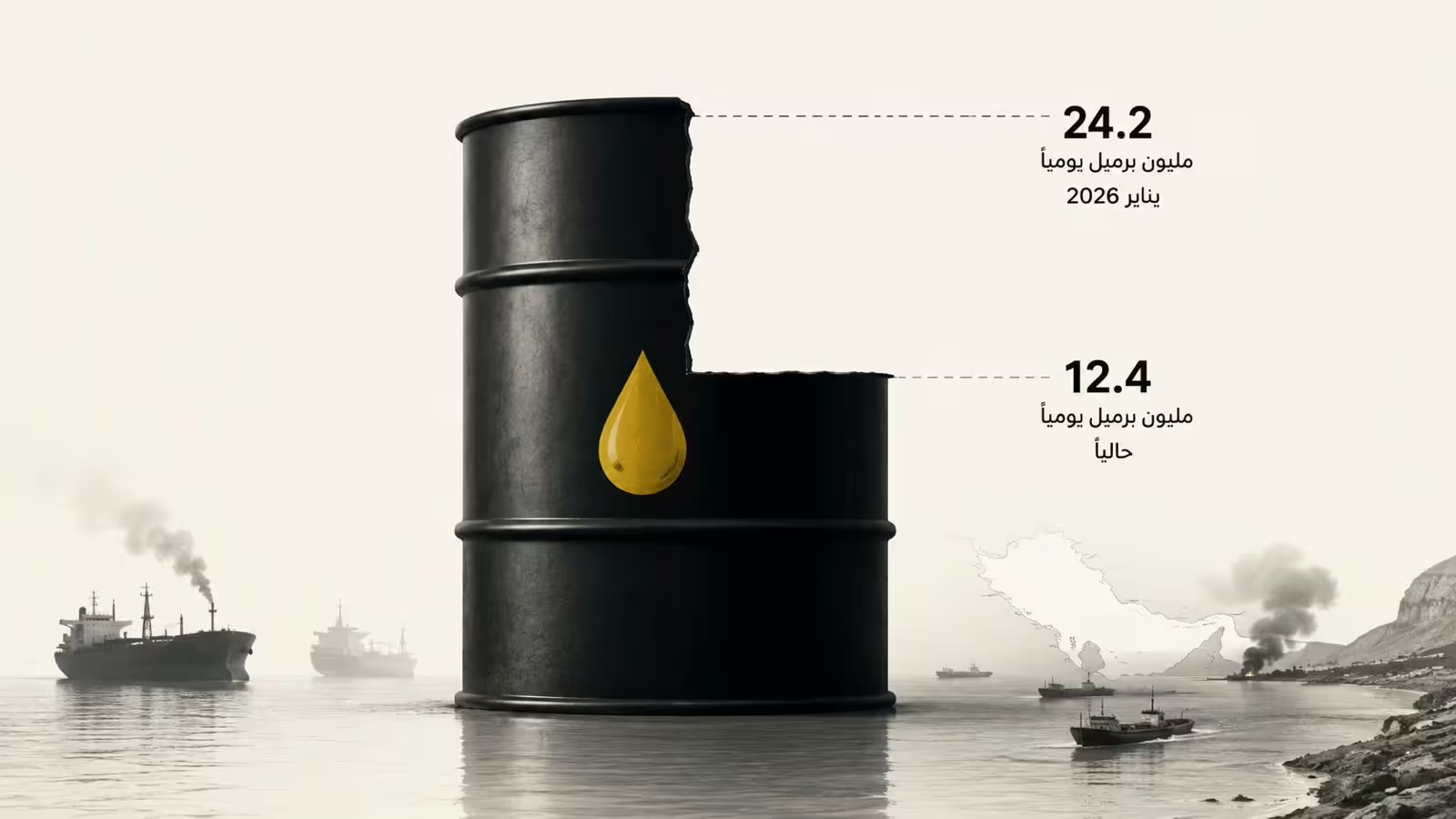
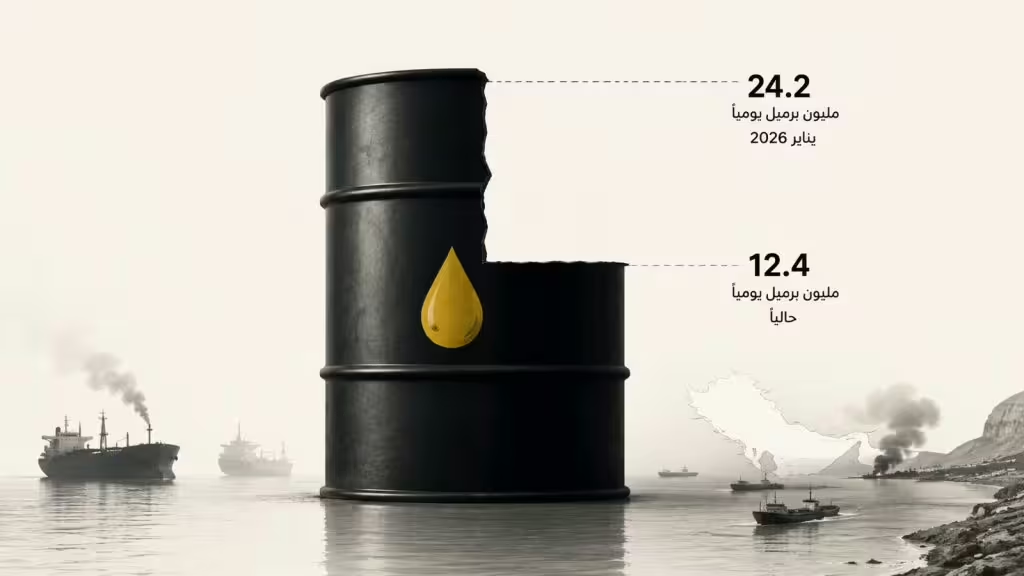
Rystad Energy estimates that output from the six main Gulf producers has dropped from 24.2 million barrels per day in January 2026 to 12.4 million barrels per day today.
Details
• Saudi Arabia accounts for the largest share of lost production, with 3.8 million barrels per day offline, representing 32% of total disrupted supply.
• Iraq has lost 2.8 million barrels per day, while Kuwait’s production has fallen by 2 million barrels per day. Together, the three countries account for nearly three-quarters of total supply outages.
• Iraq remains the most exposed because its vast southern oil fields rely heavily on exports through the Strait of Hormuz. As a result, oil export revenues fell from $6.8 billion in February to just $1 billion in April.
• Saudi Arabia has been partly shielded by higher oil prices and its East-West pipeline to Yanbu. Oil export revenues reached $24.6 billion in March, the highest level since 2022.
• Shipping activity in the Strait of Hormuz remains far below pre-war levels. Traffic fell from roughly 120 vessels per day in February to just 5–10 vessels per day in March and has since recovered to less than 20% of normal volumes.
• LNG shipments through the strait have virtually disappeared, leaving Qatar and other Gulf exporters highly exposed to ongoing disruptions.
• Alternative export hubs at Yanbu and Fujairah helped ease the shock, with combined shipments rising above 6 million barrels per day in April. However, flows later declined to about 4.7 million barrels per day by late May after damage to infrastructure in Fujairah and operational constraints at Yanbu.
• The UAE expanded the capacity of its Abu Dhabi Crude Oil Pipeline (ADCOP) to 3.3 million barrels per day, although a significant portion of the country’s offshore production still lacks direct access to Fujairah export facilities.
• Iranian exports also declined following the U.S. blockade of Iranian ports. Shipments fell from 1.64 million barrels per day in March to 1.34 million barrels per day in April and are expected to drop below 500,000 barrels per day in May.
• China’s imports of Iranian crude fell by more than 500,000 barrels per day. Tehran continues to rely on an estimated 150–160 million barrels of floating storage to maintain supplies to Chinese refiners and preserve export revenue.
What to watch
Rystad Energy’s base-case scenario assumes a limited U.S.-Iran agreement in June that would allow a gradual reopening of the Strait of Hormuz starting in mid-July. Even then, the recovery is expected to be slow. Around 85% of lost supply may return by October, while full restoration—particularly in mature Iraqi and Kuwaiti fields—may not occur until January 2027. Under that scenario, cumulative supply losses would still approach 2 billion barrels by year-end.