News
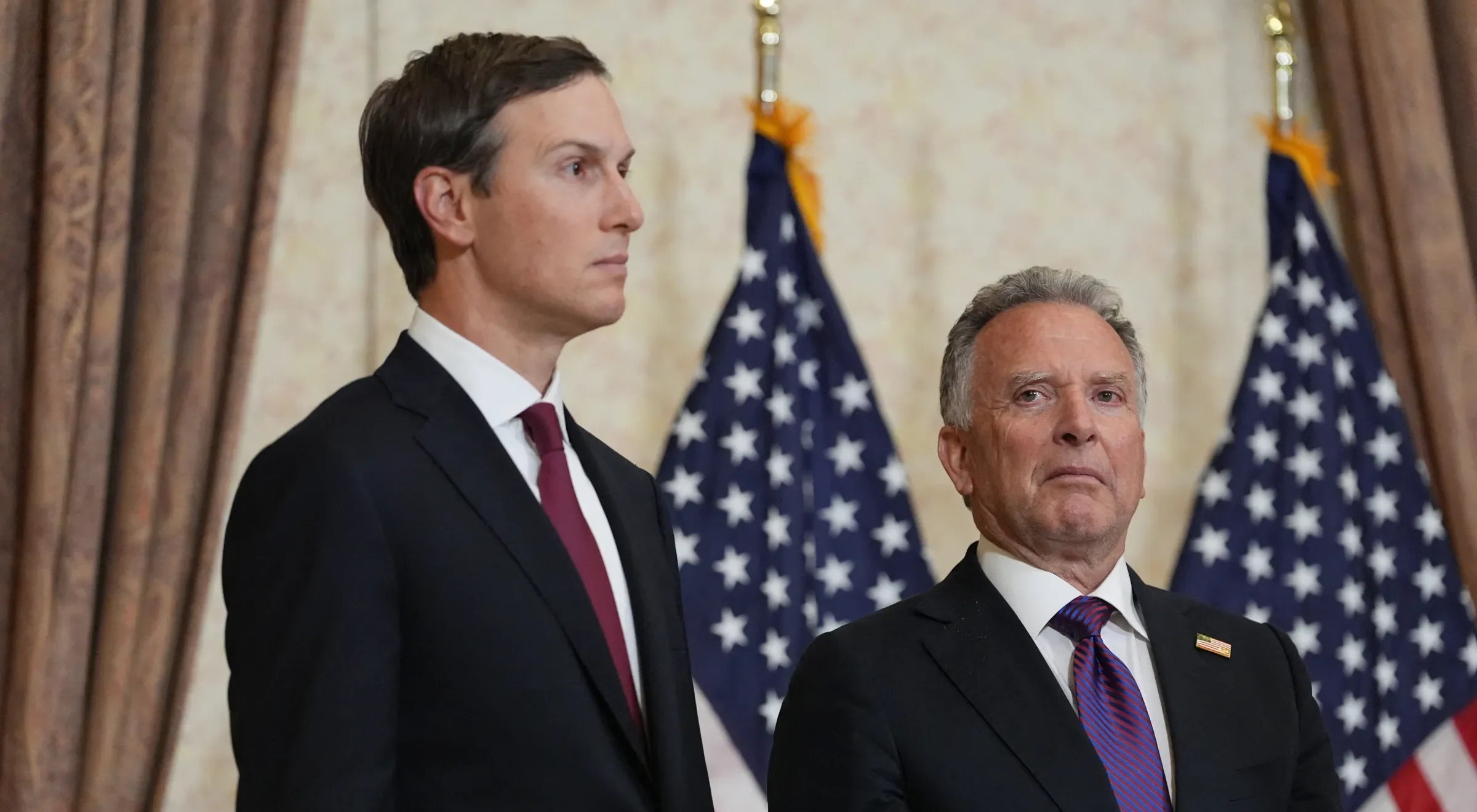
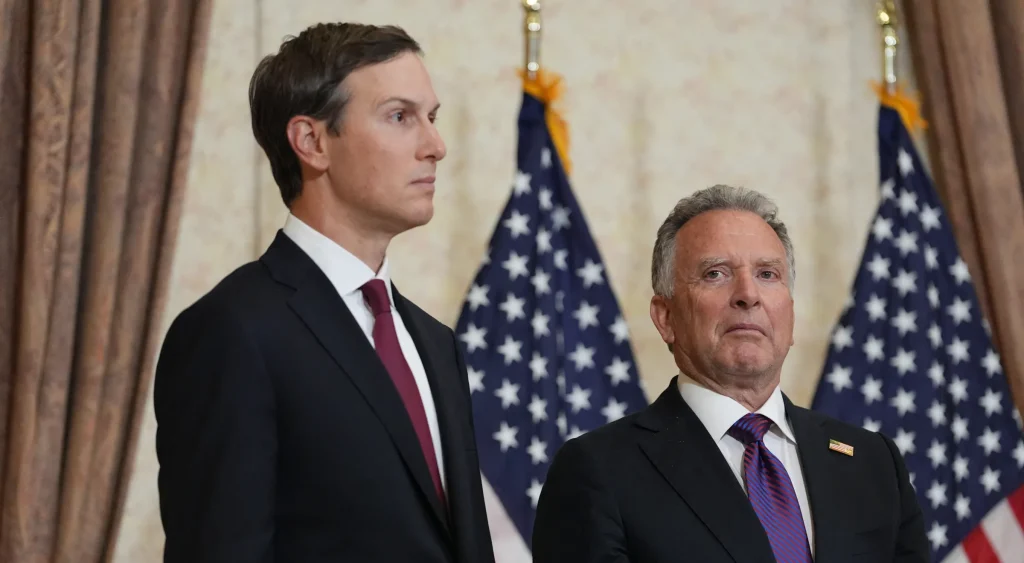
The Islamabad talks are back in focus with a new round led on the U.S. side by two figures close to President Donald Trump, Steve Witkoff and Jared Kushner, while Vice President JD Vance, who led the previous round, will be absent. The move suggests Washington is lowering expectations and leaving itself wider political room if negotiations falter.
Details
• Washington says Witkoff and Kushner will head to the Pakistani capital, Islamabad, to discuss the de-escalation track with Iran, while Vance will remain on standby to travel if the administration decides his presence is necessary.
• Vance’s absence comes after a previous round that lasted many hours but failed to produce an agreement, despite President Donald Trump and U.S. officials saying the talks achieved some progress and built a degree of communication with the Iranian side.
• Lowering the level of the delegation reflects a U.S. attempt to reduce the public cost of failure, especially if Iran withdraws from the talks or presents conditions Washington cannot accept.
• In return, Tehran is not sending parliament speaker Mohammad Bagher Ghalibaf, who had been considered the highest-ranking Iranian official involved in the negotiating track, making this round less weighty from a protocol and political standpoint.
• Iranian Foreign Minister Abbas Araghchi has arrived in Pakistan, but Iran’s Foreign Ministry claims that no direct meeting with the U.S. delegation is planned, and that Iran’s position will be conveyed through Pakistani officials.
• The sticking points remain the same: the fate of Iran’s nuclear program:
- Lifting or easing sanctions.
- Releasing frozen Iranian funds.
- Reopening or calming navigation through the Strait of Hormuz.
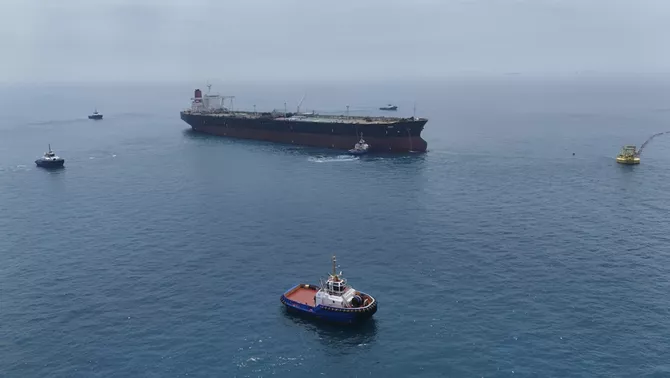
• The talks are further complicated by Washington’s continued maritime pressure and sanctions on Iranian oil trade, while Tehran believes negotiating under a naval blockade and sanctions does not give it enough room to make major concessions.
What’s Next?
The Islamabad round is more of an initial test of the seriousness of Iran’s messages than a stop likely to produce a result.
If tangible progress is made, Vance or even Trump could later return to the scene to raise the political level of negotiations.
But if the talks remain indirect and stalled, Washington will likely continue combining maritime pressure with sanctions, while Tehran uses mediators to buy time and avoid making direct concessions.