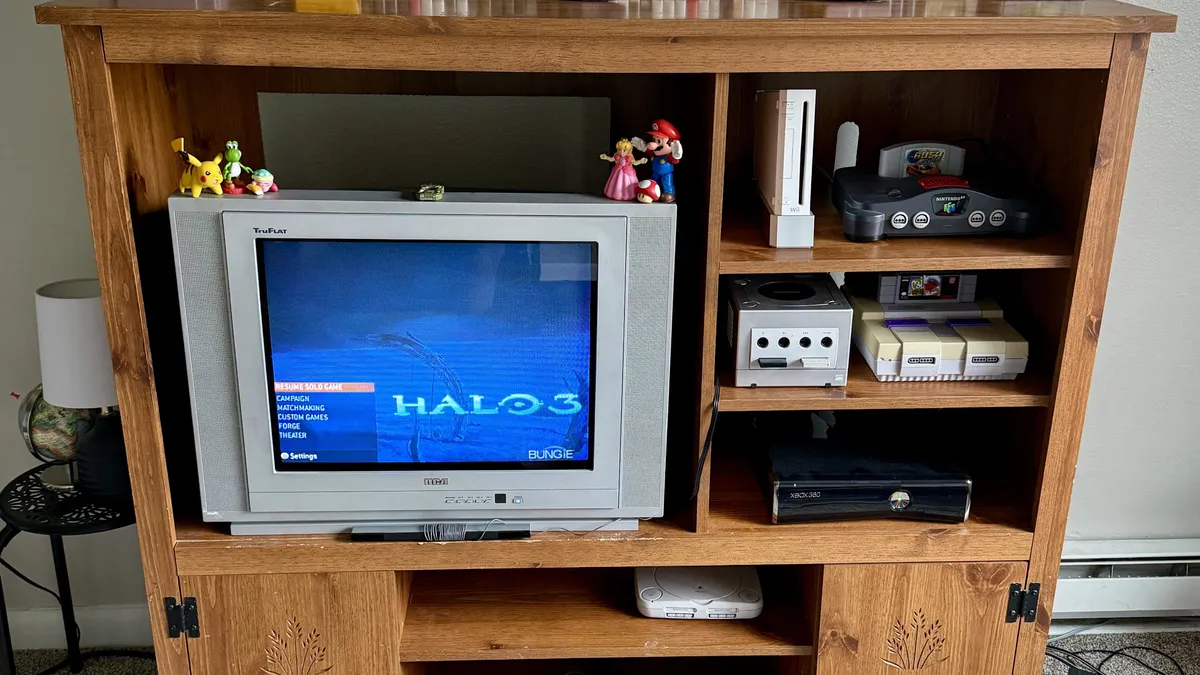
An increasing number of PC gamers are turning to retro games in 2026, marking a clear shift away from the race for high-end graphics and expensive setups. This trend is driven by a mix of nostalgia, rising PC component prices, and a desire for a simpler, more stable gaming experience.
Details
Retro gaming communities have become more active in recent months, with a surge in searches for custom setups built specifically to run older titles. Players are relying on older or low-spec machines, alongside emulation software that allows classic platforms like NES and PlayStation games to run with ease.
Key factors behind this shift include:
• Nostalgia for childhood gaming experiences and early digital eras.
• Simpler game design with clear mechanics and no constant updates.
• Lower cost of entry compared to modern, high-priced gaming systems.
From a technical standpoint, these games require minimal hardware. A basic processor and limited RAM are enough to run 8-bit and 16-bit titles, while slightly newer generations may need a dual-core CPU and a bit more memory. This accessibility opens the door to a wider audience.
Digital preservation also plays a major role, as enthusiasts work to keep these games alive despite the discontinuation of their original hardware.
What’s Next?
The market is watching whether this trend will evolve into a broader industry with dedicated retro gaming hardware, or remain a community-driven movement fueled by nostalgia and rising costs.