The event:
In the first weeks of escalation, the sustained campaign against Iran is being read through two lenses. One is familiar: strikes on missile infrastructure and air-defence systems deep inside the country. The second is geographic: attacks that intersect with Iran’s periphery — historically sensitive border zones where Kurds, Baluch, and Arabs live, adjacent to Iraq, Turkey, Pakistan, and the Gulf.
The logic here is straightforward. Hitting security nodes in these areas can weaken day-to-day control: border outposts, local communications networks, surveillance points, and the ability of IRGC units to move quickly. When control frays on the periphery, pressure rises on the centre — even if major cities remain relatively calm.
Why the periphery matters in this war:
1) Long borders that ignite fast
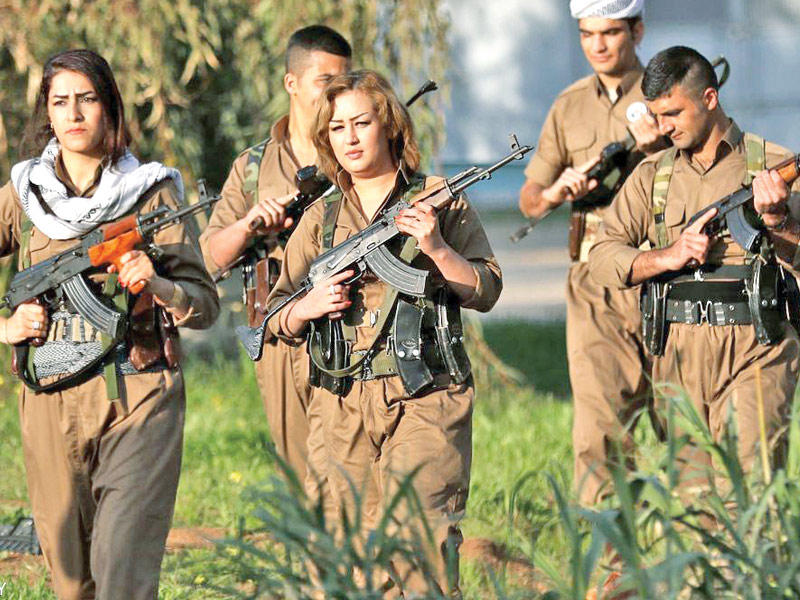
Kurdish areas in the northwest, Baluch areas in the southeast, and Arab-majority areas in the southwest sit along borders that are active and politically charged. Instability there rarely stays local: it spills into smuggling routes, irregular crossings, armed-group infiltration, and cross-border friction.
2) Control in Iran is not only military
State control on the periphery depends on several layers: security services, the IRGC, border units, surveillance and communications systems, and local administration. Disrupting one link may not topple the state, but it raises the cost of governing during wartime.
3) Sectarian identity is part of the picture — not the whole picture
Baluch communities are largely Sunni, and many Iranian Kurds are Sunni as well. That can weaken sectarian affinity with a political centre whose constitutional identity is Shia. But sect is not a sufficient explanation on its own. Local economics, political history, security architecture, and ethnic identity can be just as decisive.
What we can say from circulating facts
-
Open-source assessments have described thousands of strikes in the first days, with concentration on military and leadership sites, missile systems, and air defenses. This kind of targeting pressures Iran’s ability to sustain the war because it hits the real engine of endurance: organised launch capacity and the command system that manages it.
-
Reports about specific border locations — for example near Iraq — have been amplified in regional coverage. Israeli outlets have suggested that some strikes hit security nodes along the border belt, while attributing key details to Turkish reporting rather than Israeli official confirmation.
-
Turkish coverage has reflected heightened sensitivity around the border file, including close monitoring of crossings and the humanitarian and security spillover.
(Analysis) Three scenarios for how this pattern could shape the war’s endgame
Scenario 1: Crippling missile capacity and command-and-control
If the campaign continues to destroy launch platforms, storage sites, and command nodes, the tempo, accuracy, and co-ordination of launches should fall. A ceasefire becomes more plausible once the ability to impose sustained costs declines.
Scenario 2: Wearing down the state through the periphery without collapsing the centre.
This is the most realistic near-term outcome: no nationwide uprising, but localised tensions and intermittent border friction, alongside gradual erosion of security control. In this case the war may drag on, because the centre is forced to manage two fronts: external conflict and internal strain.
Scenario 3: Growing regional and international pressure triggered by attacks on civilians and critical infrastructure
The more strikes affect neighbouring states or vital facilities, the higher the chance of a broader international reaction. That could shorten the war — but it could also create a sharper escalation phase before any settlement is reached.
What to watch in the coming days.
-
Do strikes recur in the same peripheral provinces, or remain isolated incidents?
-
Are there signs of eroding control: border closures, communications disruptions, local clashes, or waves of cross-border movement?
-
Does the number of launch waves drop, or does accuracy deteriorate? That is a direct indicator of degrading missile capacity and command networks.
-
Do diplomatic messages converge with security-institution messaging, or remain contradictory? Persistent contradiction suggests war decisions are not consolidated in one channel.
.