Tareq Alotaiba*
Fellow at the Belfer Center in Harvard University
When the US and Israel struck Iran on Saturday, analysts expected retaliation against American bases in the Middle East. What was a surprise was the seemingly indiscriminate barrages on civilian targets in the Gulf.
So far, the UAE has demonstrated an impressive capability with air defenses, but if Iran continues to target civilians, Abu Dhabi will undoubtedly flex its offensive capabilities.
The UAE has taken the brunt of the attacks in the region. More than 700 ballistic missiles, cruise missiles, and suicide drones were launched at the Emirates in the first two days of the war. For context, that is more than what Tehran fired at Israel. Yet only three lives were lost.
Abu Dhabi has invested heavily in state-of-the-art air defense systems, which it combines in a multilayered defense. The UAE has THAAD high altitude interceptors and Patriot batteries from the US, Israel’s Barak-8 system, Russia’s Pantsir-S1, South Korea’s Cheongung II, and the homemade SkyKnight. This amounts to three walls of protection: If the long-range THAAD system doesn’t neutralize the threat, mid-range and then short-range systems kick in.
Hardware alone is not enough: States need to have the capability to operate complex systems. History offers examples of advanced technology being wasted by ineffective use. The UAE Armed Forces have demonstrated impressive capability. As of March 1, the UAE had a 95% interception rate. The military said it destroyed all the missiles that breached its territory and 94% of the notoriously difficult drones. By any measure, that is impressive, rivaling the 90% success rate of the Israeli Iron Dome.
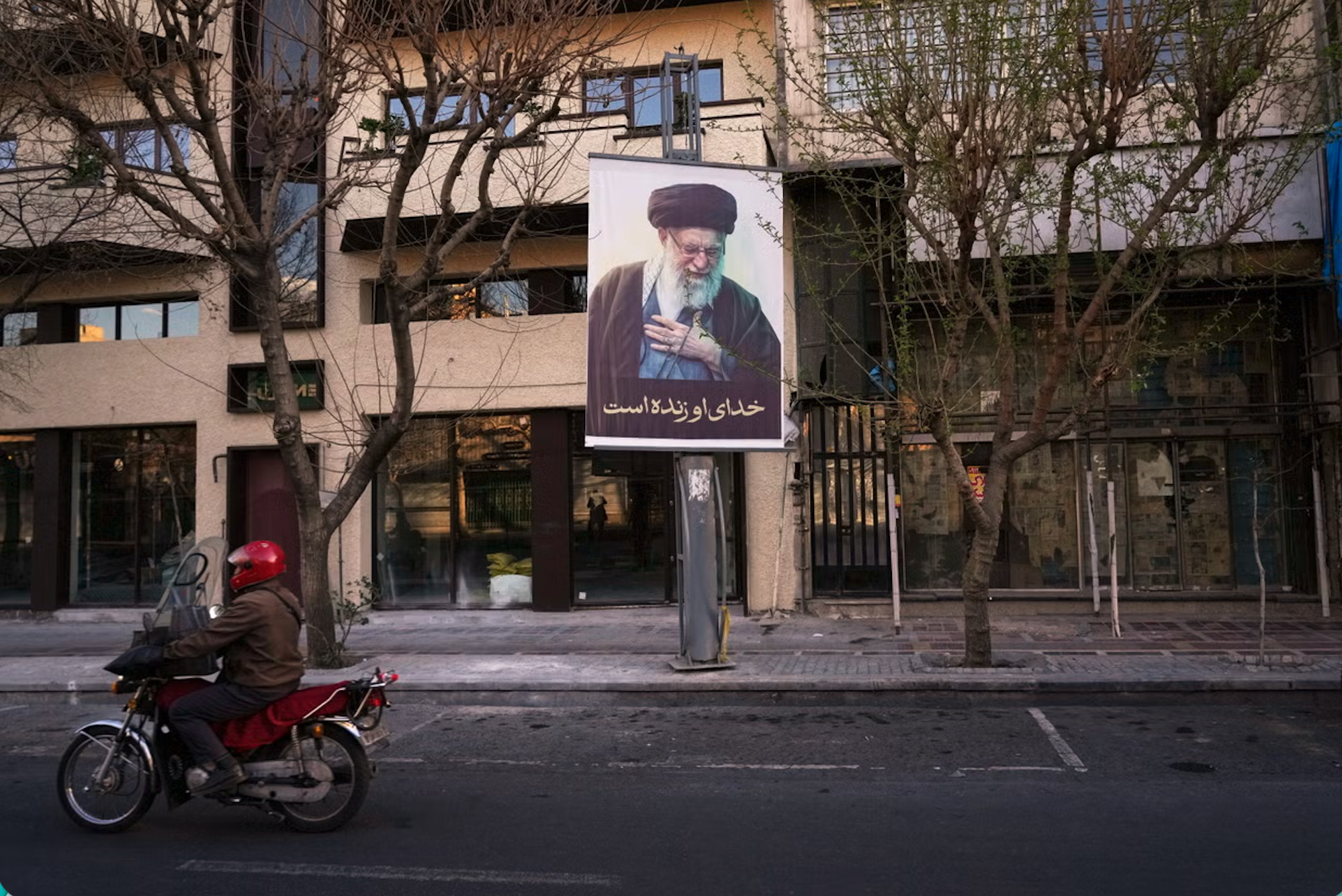
So far, Gulf states have been on the defensive. Iran’s foreign minister suggested its strikes are conducted by forces operating on standing orders from the late Ayatollah — an explanation that is not satisfying regional capitals. Saudi Arabia has already given orders to strike back at any further act of aggression on its territory, and Abu Dhabi has made clear it reserves the right to defend its sovereignty with all the means at its disposal.
The UAE’s offensive capability far outclasses Iran’s. Tehran’s air force is generations behind Abu Dhabi’s fleet. Beyond its fighting power, the UAE has demonstrated force projection in previous conflicts, with a combat-proven air refueling capability. Not only can Abu Dhabi strike back, but it could sustain its fight for a long time. Military experts rank the country as the top Arab military power, second in the region behind only Israel. Its armed forces, particularly its Presidential Guard and Joint Aviation Command, operate at NATO levels.
If the UAE is pushed to the offensive, it wouldn’t stand alone. The US and Israel have already established total control of Iranian airspace and are crippling Tehran’s ability to counter air strikes.
For now, Abu Dhabi is showing restraint. But indiscriminate strikes on civilians in the Gulf and the disruptions to global trade are eliciting a global reaction. France, Germany, and the UK said they will take part in offensive action against Iranian missile and drone targets if the attacks on the Gulf persist. Attacking civilian targets was a strategic blunder, and Tehran may find itself increasingly isolated and confronting an expanded coalition set on removing the threat of the Islamic Republic.
*Tareq Alotaiba is a Fellow at the Belfer Center in Harvard University. He has 12 years of experience in economic policy, foreign affairs, and national security with the Abu Dhabi and UAE Federal governments. An Abu Dhabi native, he is currently pursuing a master’s degree in security studies at Georgetown University.