Key Points
- Uzbek President Mirziyoyev announced a joint investment portfolio worth close to $5 billion in Muscat.
- Bilateral trade grew 70% this year; the two sides doubled their target to $1 billion.
- Twenty agreements span mining, logistics, energy, agriculture, space tech and automotive AI.
The latest:
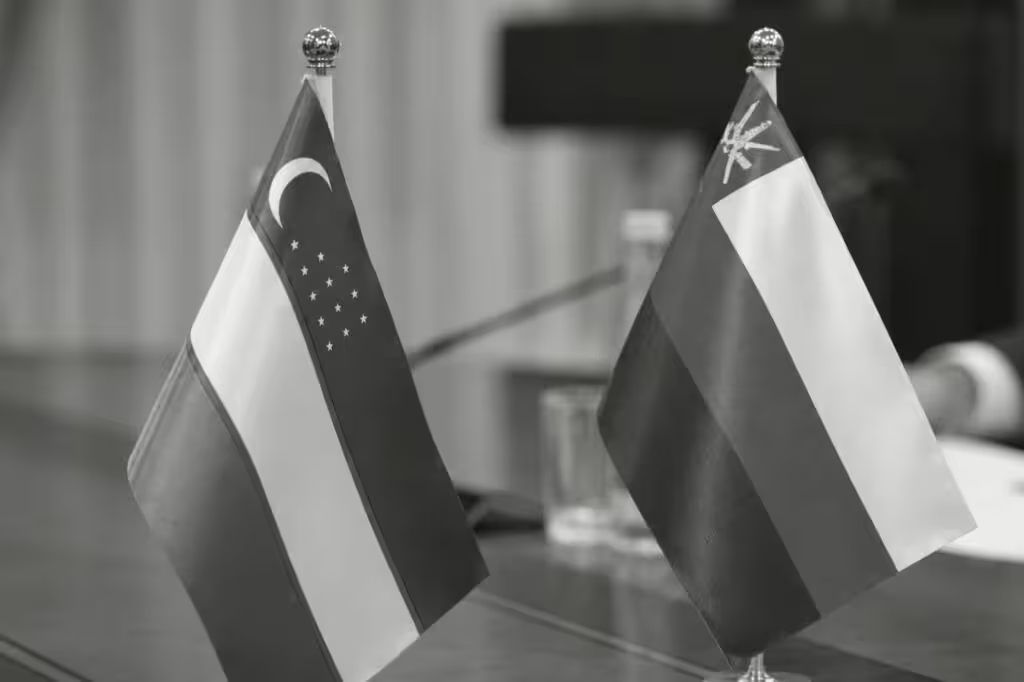
A portfolio of defined joint investment projects worth roughly $5 billion has been assembled between Oman and Uzbekistan, Uzbek President Shavkat Mirziyoyev said at the Omani-Uzbek business forum in Muscat on 17 November 2026. He told the gathering the two economies are entering a new stage of partnership built on understandings reached during his state visit, and that current cooperation sits far below potential.
Details:
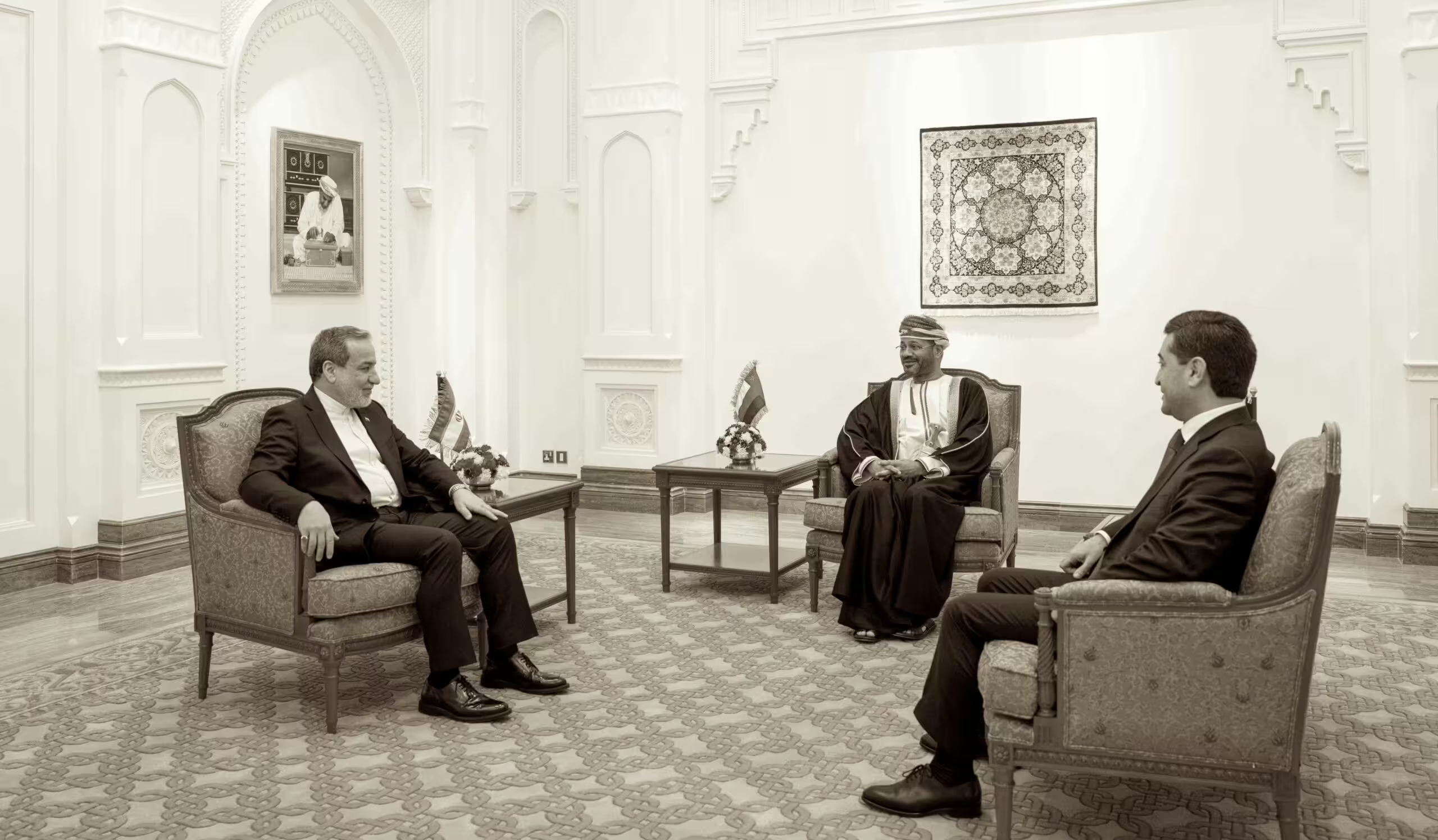
- The setting: The forum and exhibition were held at the Oman Convention and Exhibition Centre, attended by Mirziyoyev alongside Sayyid Theyazin bin Haitham Al Said, Deputy Prime Minister for Economic Affairs, as part of the Uzbek president’s state visit, according to the Oman News Agency.
- The trade target: Mirziyoyev said bilateral trade expanded 70% this year, prompting both governments to set a new goal of $1 billion in exchange, replacing the previous $500 million target. He did not specify a deadline for reaching the new figure.
- Electrical industries: The largest single track is electrical manufacturing. Mirziyoyev said Uzbekistan imports more than $200 million of cables and electrical transformers annually, and that talks with specialised Omani firms produced understandings on joint projects approaching $1 billion in value.
- Sohar logistics: The two sides agreed to build logistics infrastructure for Uzbek companies in Sohar and to develop a unified trade and logistics platform intended to cut transport costs and deliver competitive pricing. Projects in this field were valued at $350 million.
- Mining and chemicals: Mirziyoyev said Tashkent wants joint projects in chemical industries, geological exploration and the development of promising mines, with opportunities identified at $800 million. He added that the two countries are also examining joint mining ventures in third countries.
- Air connectivity: Cooperation extends to increasing flights between the two countries and launching dedicated air cargo services, a step Mirziyoyev linked to smoother movement of goods and faster growth in trade volumes.
- The agreements: Faisal bin Abdullah Al Rawas, chairman of the Oman Chamber of Commerce and Industry, said 20 agreements and memoranda were signed between Omani and Uzbek companies on the sidelines, covering industry, energy, mining, transport, agriculture and food security, tourism, finance, construction, free zones, space and geospatial technologies, and automotive and AI-linked technologies.
- Company registrations: Anwar bin Hilal Al Jabri, Minister of Commerce, Industry and Investment Promotion, pointed to measurable movement in investment ties: companies registered in Oman with Uzbek participation rose from 6 in 2020 to 57 by the end of 2025.
- Tashkent’s framing: Laziz Kudratov, Uzbekistan’s Minister of Investment, Industry and Trade, said the relationship is gaining momentum and that a package worth close to $5 billion is being prepared across energy, manufacturing, mining, logistics, agriculture, construction and digital technologies. He described Uzbekistan as one of the region’s fastest-growing economies, with GDP up 8.3% in the first nine months of 2026.
Between the lines:
The package reads as an attempt to convert Oman’s port geography into a Central Asian trade route rather than a one-off investment announcement. The Sohar logistics platform, the dedicated cargo flights and the unified trade system all serve the same objective: giving landlocked Uzbekistan cheaper sea access, while the doubled $1 billion trade target signals both sides expect volumes to follow the infrastructure.
What’s next
Watch whether the $350 million Sohar logistics works and the near-$1 billion electrical manufacturing understandings move from memoranda to signed contracts, and whether the registered Uzbek-linked company count in Oman keeps climbing past 57.