Key Points
- Bahrain's latest 91-day treasury bills cleared at 5.65%, up from 5.58% on the previous issue.
- The 70-million-dinar sale drew bids covering 115% of the offering, the central bank said.
- Outstanding treasury bills now stand at 2.110 billion dinars, raising short-term borrowing costs for the government.
The latest:
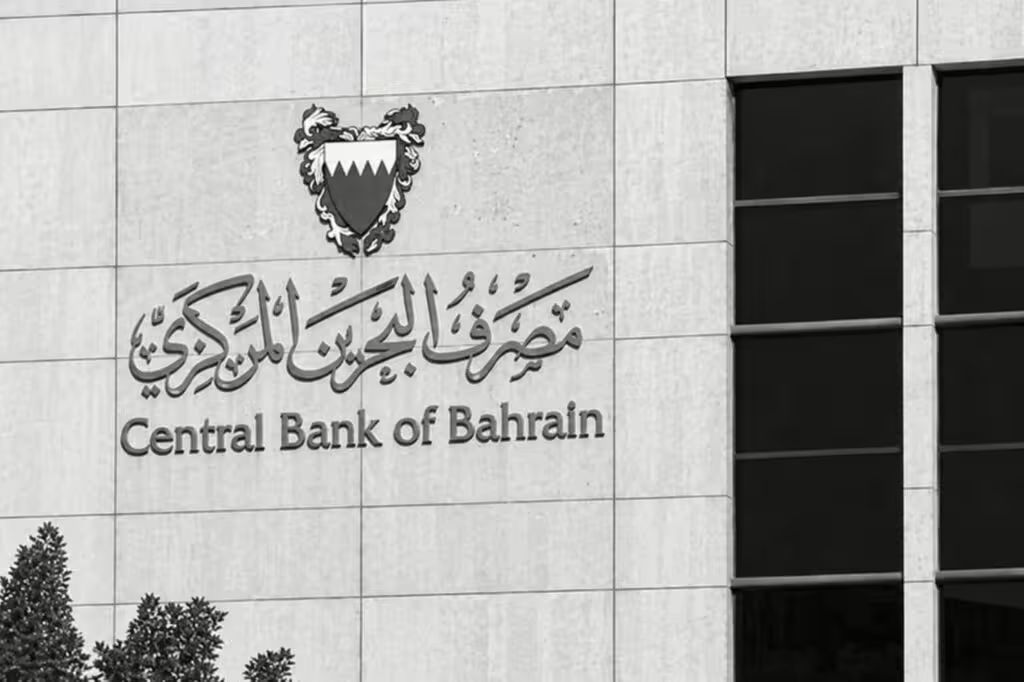
Bahrain’s short-term borrowing cost rose again this week, with the average interest rate on the government’s latest 91-day treasury bills reaching 5.65%, compared with 5.58% at the previous auction on 4 November 2026. The Central Bank of Bahrain, which issues the paper on behalf of the government, said the 70-million-dinar issue was fully covered.
Details:
- The issue: The Central Bank of Bahrain said issue number 2147, carrying the code BH000B047660, is a weekly government treasury bill sale worth 70 million Bahraini dinars. The bills run for a 91-day maturity period beginning 18 November 2026 and ending 17 February 2027.
- The rate: The average interest rate on the bills came in at 5.65%, against 5.58% on the preceding issue dated 4 November 2026, according to the central bank. That is a 7-basis-point increase between two consecutive auctions held less than two weeks apart.
- Pricing details: The average discount rate on the issue was 98.593%, the central bank said, while the lowest participation price accepted in the auction was 98.555%. The gap between the two figures reflects the spread between the most and least aggressive accepted bids in the sale.
- Demand: The issue was covered at 115%, according to the central bank, meaning investors submitted bids worth more than the 70 million dinars on offer. Coverage above 100% indicates the sale did not struggle to find buyers despite the higher clearing rate.
- Outstanding debt: With this issue included, the outstanding balance of Bahraini treasury bills reached 2.110 billion dinars, the central bank said. The figure covers short-term government paper only and is separate from Bahrain’s longer-dated debt instruments.
- The mechanism: Treasury bills are short-term government debt sold at a discount to face value rather than paying a periodic coupon, with the investor’s return set by the gap between the purchase price and the amount repaid at maturity. The central bank runs the weekly auctions on the government’s behalf.
- Not disclosed: The central bank did not identify the investors who participated in the auction or break down the allocation between local banks and other buyers. It also did not state the size or timing of the next weekly issue.
Background:
The Central Bank of Bahrain issues treasury bills weekly on behalf of the government, with each auction publishing the clearing rate, the coverage ratio and the running total of outstanding short-term paper.
Between the lines:
The move from 5.58% to 5.65% between consecutive auctions, paired with 115% coverage, points to a market that is still absorbing Bahraini short-term paper comfortably but at a slightly higher price. With 2.110 billion dinars outstanding, each basis point added at auction feeds through to the cost of rolling that stock over.
What’s next
The next weekly treasury bill auction will show whether the 5.65% rate marks a continuing climb or a single-week move. The current issue matures on 17 February 2027.