Key Points
- Iraq's government says armed forces will enter Jurf al-Sakhar once a set withdrawal deadline expires.
- A high-level inquiry reported tampered oil pipelines, two refineries, a tanker and storage tanks inside the closed zone.
- The standoff is the sharpest test yet of the state's pledge to monopolize weapons.
The latest:
Iraqi armed forces will move into Jurf al-Sakhar, and a deadline described as not distant has been set for Kataib Hezbollah to pull out, government spokesman Haidar al-Aboudi said Monday. He said the commander-in-chief ordered the file and those implicated referred to the judiciary and the Integrity Commission. Security forces are already deployed around the area.
Details:
- The inspection: Al-Aboudi told the official news agency that the higher investigative committee examined six sites and moved to coordinates specified in an intelligence agency report. Investigators documented clear tampering with oil pipelines crossing the area, along with attempts to bury and conceal the traces of that tampering.
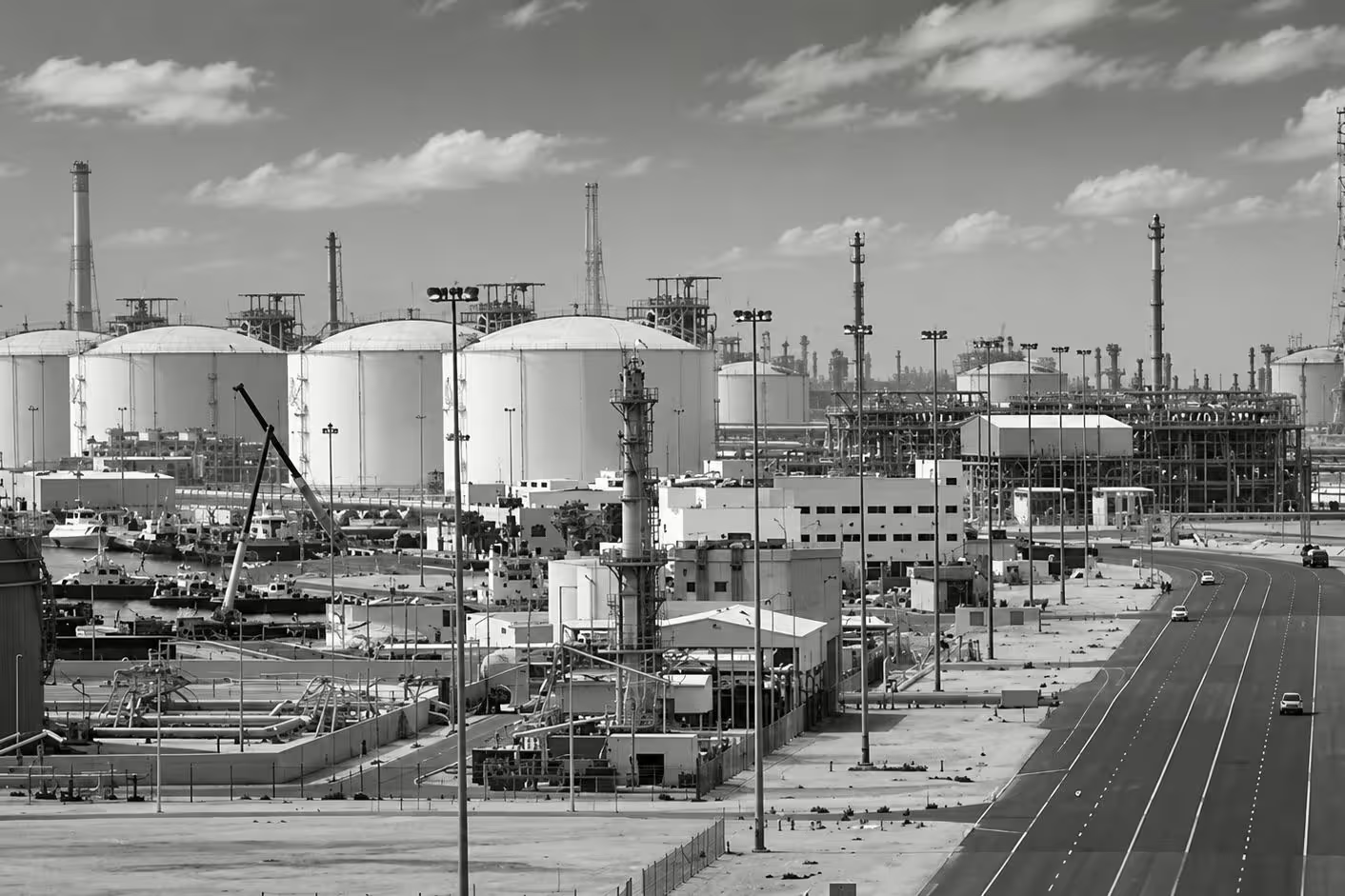
- What was found: The committee identified two refineries inside the zone, plus a tanker and storage tanks, according to the spokesman. He framed the action as the government using its legal powers and constitutional duty to protect public funds in a file long described as closed.
- The orders: The commander-in-chief directed forces to enter Jurf al-Sakhar and to block any movement of tanker trucks carrying crude or refined products out of the area, al-Aboudi said. Officers who fell short in their areas of responsibility will face accountability, he added.
- The deadline: Al-Aboudi said a deadline has been fixed for the armed faction to leave and that it is not far off, without giving a date. He described the entry of security forces as the normal way districts across Iraq are administered.
- The faction’s position: Kataib Hezbollah has said it will give up neither Jurf al-Sakhr nor its weapons whatever the pressure. The group denied smuggling oil and accused the prime minister’s office of fabricating the case to pressure it into surrendering its arsenal.
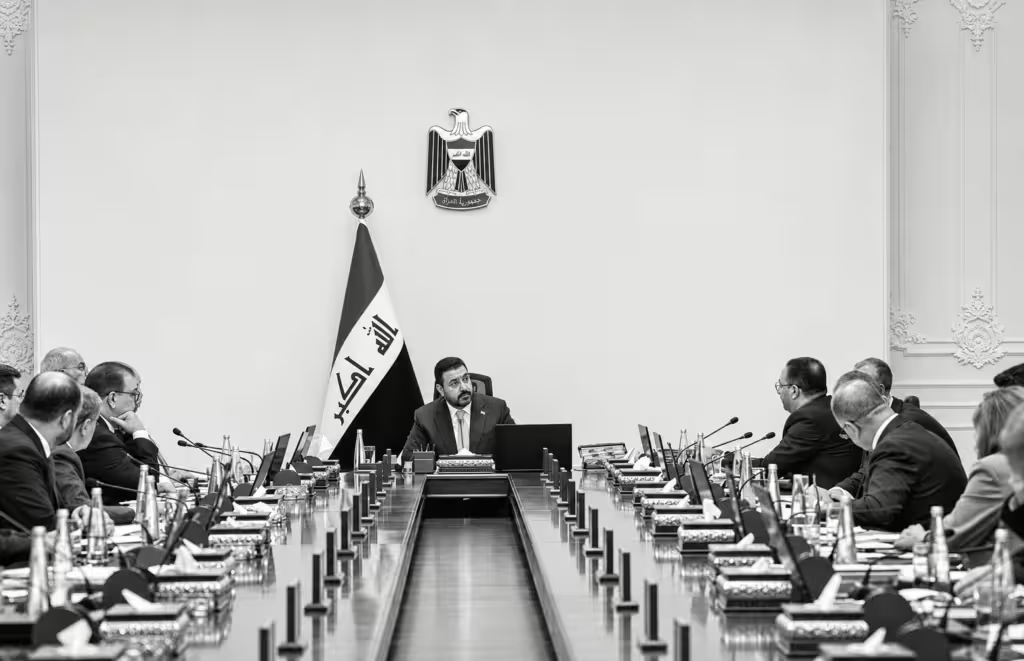
- Political track: Sources said Prime Minister Ali al-Zaidi gave leaders of the ruling Shiite Coordination Framework a window to persuade the faction to withdraw before troops go in. He ordered the area encircled and military readiness maintained pending an order to enter.
- Military view: Army and security commanders said the smuggling touches on national sovereignty and called for arrest warrants to be issued faster. The spokesman said there is no negotiation with anyone stealing public money.
- Beyond Jurf: Al-Aboudi said the commander-in-chief’s instructions cover every area where smuggling suspicions were identified, not Jurf al-Nasr alone. On Kurdistan, he cited coordination and acceptable signs of cooperation, and said army forces could enter the region if needed.
- An Iraqi official: An Iraqi official told Agence France-Presse the matter has “become personal” between al-Zaidi and the faction, adding that political leaders are working to defuse it.
Background:
Jurf al-Sakhar is farmland in Babil province south of Baghdad, retaken from ISIS by armed factions in 2014. Roughly 83,000 residents fled and most have not returned. Kataib Hezbollah has run the area as a closed security zone that state institutions do not enter.
Between the lines:
The confrontation measures a commitment the government has already dated: June 30, 2027, for all factions to hand over weapons. Two paths remain open — armed clash, or a Coordination Framework settlement under which the faction withdraws. Al-Zaidi’s reported warnings about a US-Iran escalation spilling onto Iraqi territory suggest Baghdad is arguing that confrontation now carries costs beyond Jurf.
What’s next
Watch whether the unannounced withdrawal deadline expires without a pullout, whether the Coordination Framework delivers a negotiated exit, and whether arrest warrants are issued against those named by the investigative committee.