Key Points
- Washington rejected Tehran's conditions as unserious while Qatar shuttles proposals between the two sides.
- Iran denies talks are under way and demands the blockade end before reopening Hormuz.
- Near-daily US strikes on Qeshm Island keep escalation risk alive around the world's key oil chokepoint.
The latest:
Qatari mediation between Washington and Tehran is making no visible progress, with US officials ruling out Iran’s demands and Iran denying any negotiations are taking place. Secretary of State Marco Rubio said in Paris after G7 meetings that Iran wants a deal but is attaching conditions he dismissed as absurd. Both sides are exchanging strikes around the Strait of Hormuz.
Details:
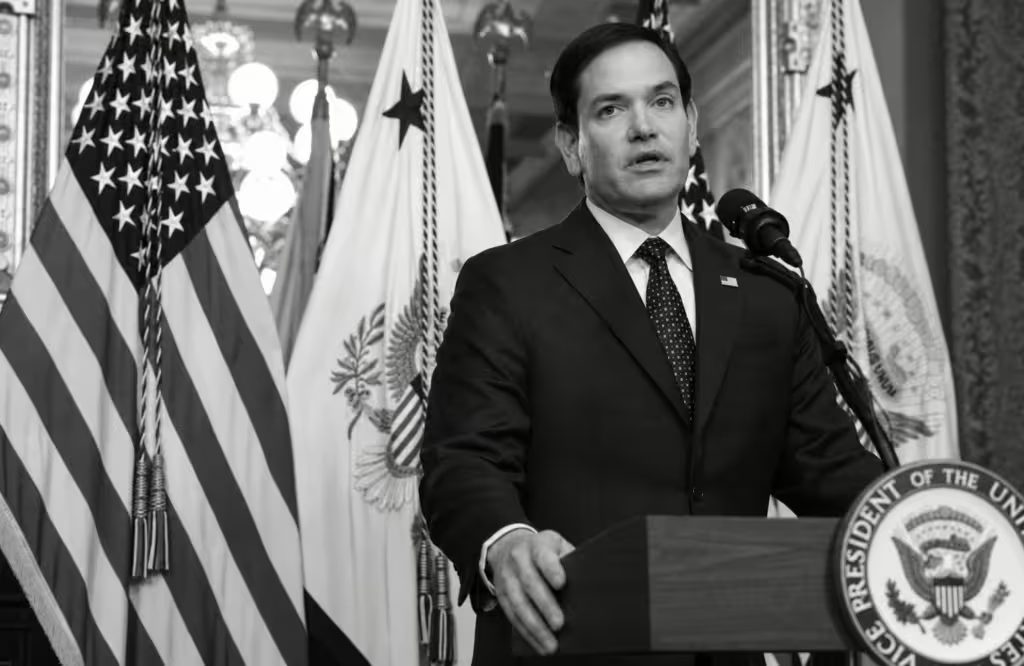
- Rubio’s position: Speaking Tuesday in Paris, the US secretary of state said Iran is not serious for now. He ruled out compensation payments, arguing Tehran should be the one paying after years of destabilizing the region, and said demands for large cash transfers will not be met.
- The nuclear opening: Rubio said Iran could build a civilian nuclear energy program like many other countries, keeping that door open while rejecting the financial terms. He added that Washington is ready for a good agreement and that President Donald Trump would be the first to back one, but will not accept a bad deal.
- Sanctions as leverage: Rubio told G7 allies that sanctions and the naval blockade are working well enough that Trump does not need large-scale combat operations against Iran. Without a deal, he said, Tehran will keep impoverishing itself. Trump said Monday he does not intend to launch new strikes for now, after appeals from regional states including Qatar delivered during White House talks with Qatari Prime Minister Sheikh Mohammed bin Abdulrahman.
- Tehran’s denial: Mohsen Rezaei, secretary of Iran’s Supreme National Security Council, said no negotiations are under way and claimed US statements about continuing talks aim to ease economic pressure and push oil prices down. He said Iran has conveyed its conditions and is awaiting a clear and explicit reply.
- The seven conditions: Iran insists Washington must meet the seven conditions set out in a June interim agreement before Hormuz reopens and talks resume. Foreign ministry spokesman Esmail Baqaei said Tehran has offered a plan to reopen the strait within two days if the blockade is lifted and military operations across Middle East fronts stop.
- The Vance report: Foreign Minister Abbas Araghchi on Tuesday dismissed reports of a meeting between Rezaei and US Vice President JD Vance as baseless media speculation. Iranian state television separately aired footage of what it described as a new missile city, showing armed forces operations commander Ali Abdollahi alongside Revolutionary Guard missile force commander Majid Mousavi.
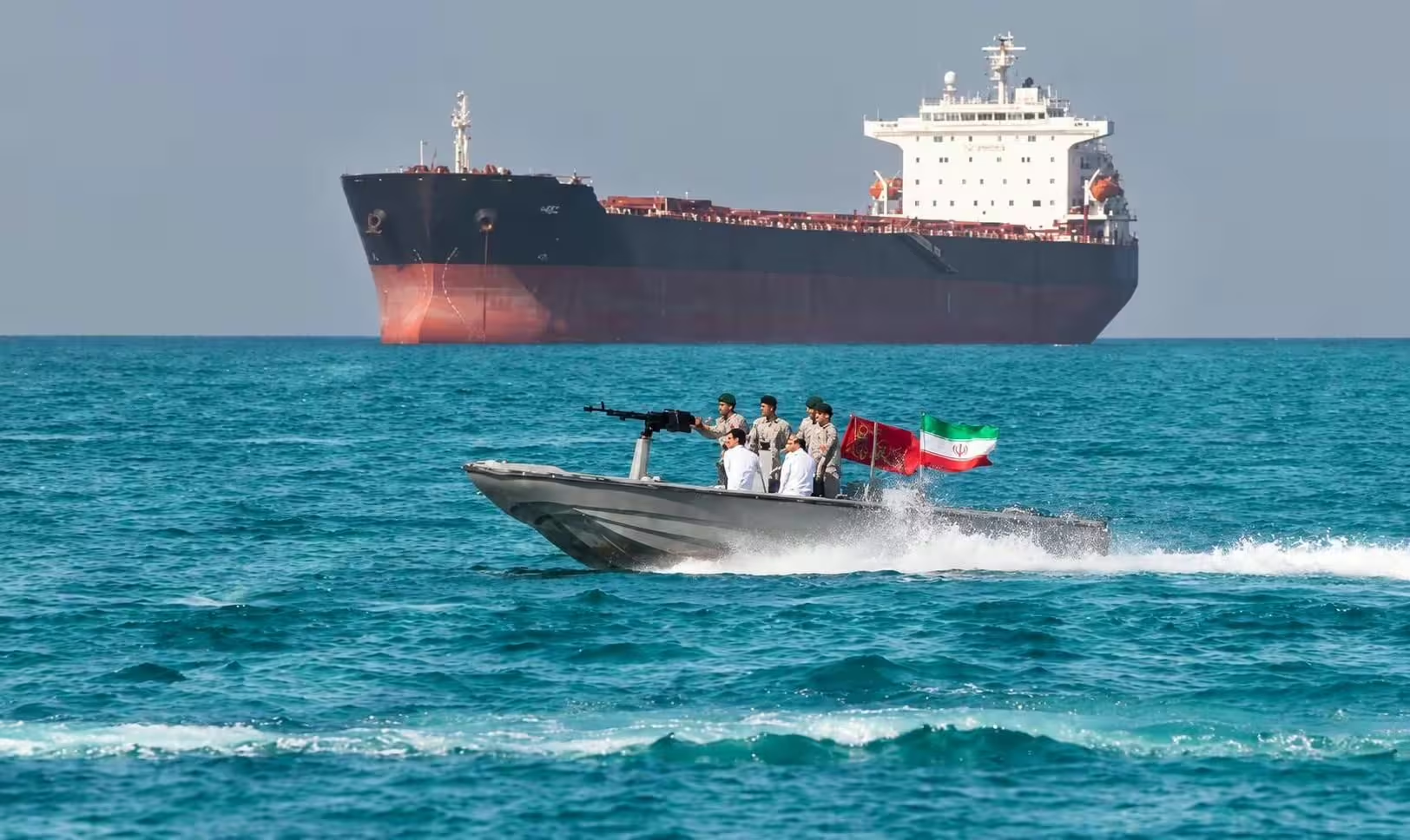
- The Hormuz contest: The Wall Street Journal reported an escalating contest for control of the strait after strikes on islands in the waterway. US and Gulf officials told the paper the strikes aim to stop Iran attacking transiting ships and are not a prelude to a ground operation on Qeshm, which hosts a main Revolutionary Guard naval facility and weapons tunnels.
- Qeshm under fire: US forces have carried out undisclosed strikes for weeks on Qeshm, Iran’s largest island, used by the Revolutionary Guard to launch drones and missiles. Trump and other officials have called them limited and defensive. Asked Friday, Trump said: “We’re carrying out limited strikes.”
- On the island: Iranian media reported near-daily explosions alarming Qeshm’s roughly 150,000 residents, without clarifying whether they came from Iranian launches or US strikes. Hormozgan deputy governor Ahmad Nafsi told IRNA that Sunday evening blasts were caused by a US military strike. US Central Command declined to comment.
- Shipping and energy: Near-daily US operations are helping commercial vessels enter and exit the Gulf, bringing regional oil exports back toward pre-war levels. Fars reported a fire Tuesday on a platform at the South Pars gas field, now under control, with the cause under investigation.
Background:
Iran ties any reopening of Hormuz to the seven conditions of a June interim agreement. Roughly a fifth of global oil trade normally passes through the strait, making the standoff a direct input into energy markets.
Between the lines:
The two tracks point in opposite directions. Rubio argues sanctions and the blockade make large operations unnecessary, while US forces run near-daily strikes around Qeshm — pressure calibrated to stay below the threshold Trump says he is avoiding. Tehran’s insistence on a clear reply before moving, paired with its two-day reopening offer, suggests it reads Washington as the side under pressure to answer first.
What’s next
Watch whether Washington responds to Iran’s seven conditions, whether Qatari shuttle diplomacy produces a direct meeting, and whether strikes on Qeshm continue or pause. Oil export volumes through Hormuz remain the clearest real-time indicator.