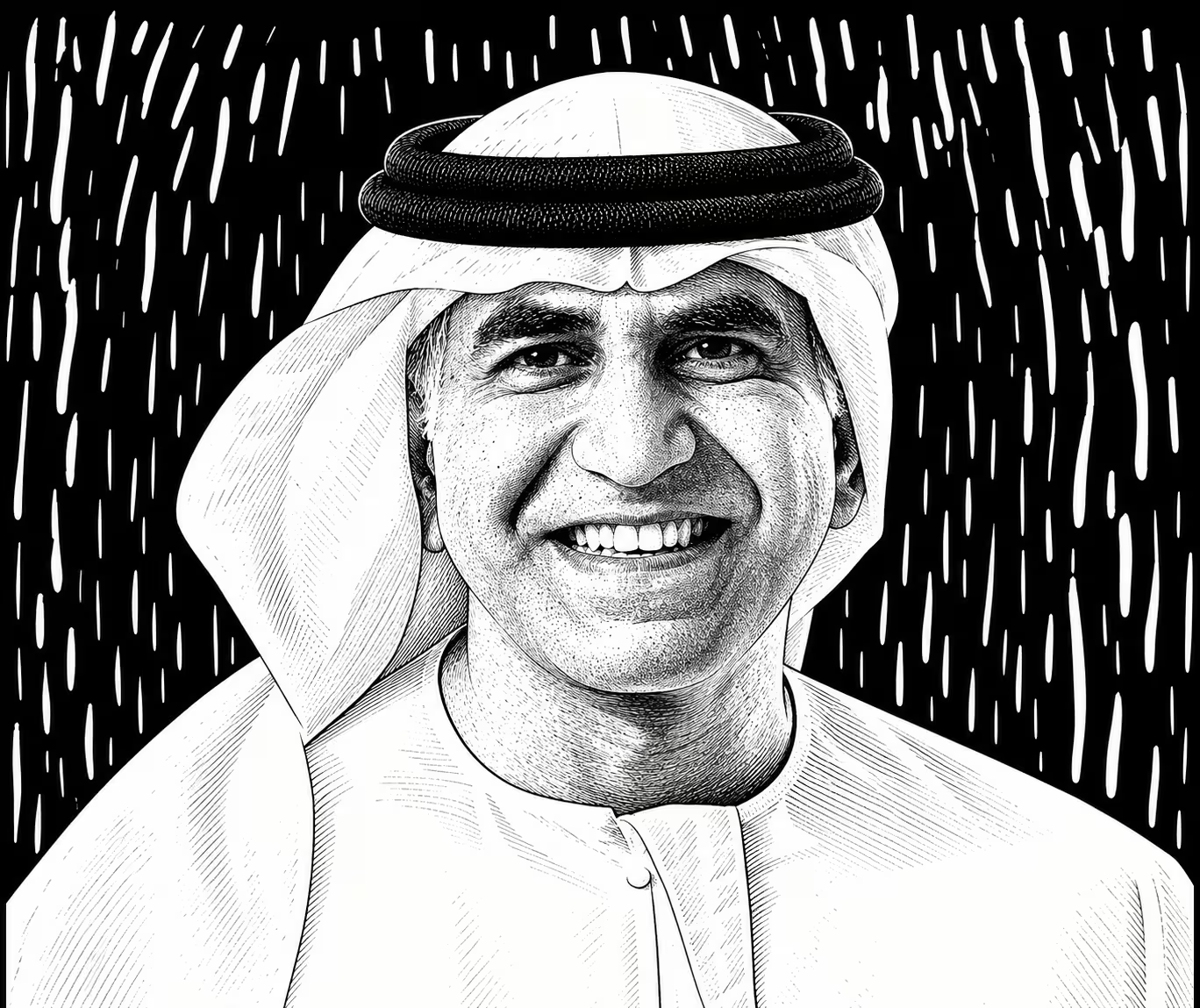
Dr. Abdulrahman Al Dhaheri
At a time when diplomatic rhetoric has grown louder while results have become harder to achieve, the UAE’s role in the Russia-Ukraine conflict stands out. There are no showpiece conferences or grand declarations dominating the news. Instead, a quiet, sustained effort is measured by a simple count: the number of people returned to their families.
The figures are more than statistics. When the UAE Ministry of Foreign Affairs announced the success of its 27th mediation effort last October, bringing the total number of prisoners exchanged to 8,537, it marked another step in a method built incrementally. The process began with limited exchanges before its humanitarian impact grew. By the 15th mediation in May 2025, the cumulative total stood at 4,181 prisoners; it has nearly doubled in less than two years. That accelerating pace points to a fundamental negotiating reality: trust between parties locked in a fierce conflict is not granted all at once. It takes shape and is renewed with each successful exchange. Had any one of those operations failed, the process might not have continued.
This philosophy is captured in the words of Anwar Gargash, diplomatic adviser to the UAE president, who has spoken of the country’s refusal to be merely another party to a political alignment, and of its determination instead to play a useful, effective role rather than simply add to the numbers. Abu Dhabi has faced criticism for keeping channels open with both Moscow and Kyiv at a time when many wanted it to make a clear choice. Yet this tension lies at the heart of independent diplomacy: a mediator who takes sides immediately loses the ability to speak to the other party. Those who maintain open lines with everyone can become the only bridge left when others have collapsed.
What is striking about the UAE’s approach is that its humanitarian record has not remained separate from diplomacy at the highest level. In February 2026, Abu Dhabi hosted the second round of trilateral talks involving Russia, Ukraine and the United States, alongside the announcement of another prisoner exchange. The connection carries a practical lesson: humanitarian efforts can prepare the ground for political dialogue. Parties that find agreement on an issue as complex as the return of prisoners may gradually come to see that sitting at the table opens a path to negotiation without amounting to surrender.
These efforts naturally yield diplomatic benefits that strengthen the UAE’s international standing. But those gains rest on a mutually reinforcing equation: diplomatic influence follows tangible work on the ground that helps families welcome their loved ones home. It is not simply the product of a public relations campaign.
There are, nevertheless, opposing views worth considering. Some critics argue that, despite its humanitarian importance, the mediation has remained tactical and has done nothing to end a war now in its fifth year. Others see pragmatic neutrality as giving Moscow diplomatic and economic breathing space. Defenders of the UAE’s approach offer a more restrained assessment: a mediator cannot impose peace agreements on sovereign states. Its role is to keep channels of dialogue open and create conditions in which those seeking a solution can pursue one. Meanwhile, the safe return of thousands of prisoners is a tangible outcome whose significance cannot be dismissed.
UAE mediation may not offer a magic solution to a conflict of this scale. But it offers an important lesson in managing major crises: the loudest players are not always the most effective. Sometimes the deepest and most lasting impact belongs to those who work quietly and patiently to keep the door ajar until conditions allow it to open fully.