Key Points
- Chilean film-maker Sebastián Lelio died at 52 at his home in Santiago, his partner announced.
- His A Fantastic Woman was the first Chilean film to win the best international feature Oscar.
- Lelio bridged Chilean cinema and English-language films starring Moore, Weisz and Pugh over two decades.
The latest:
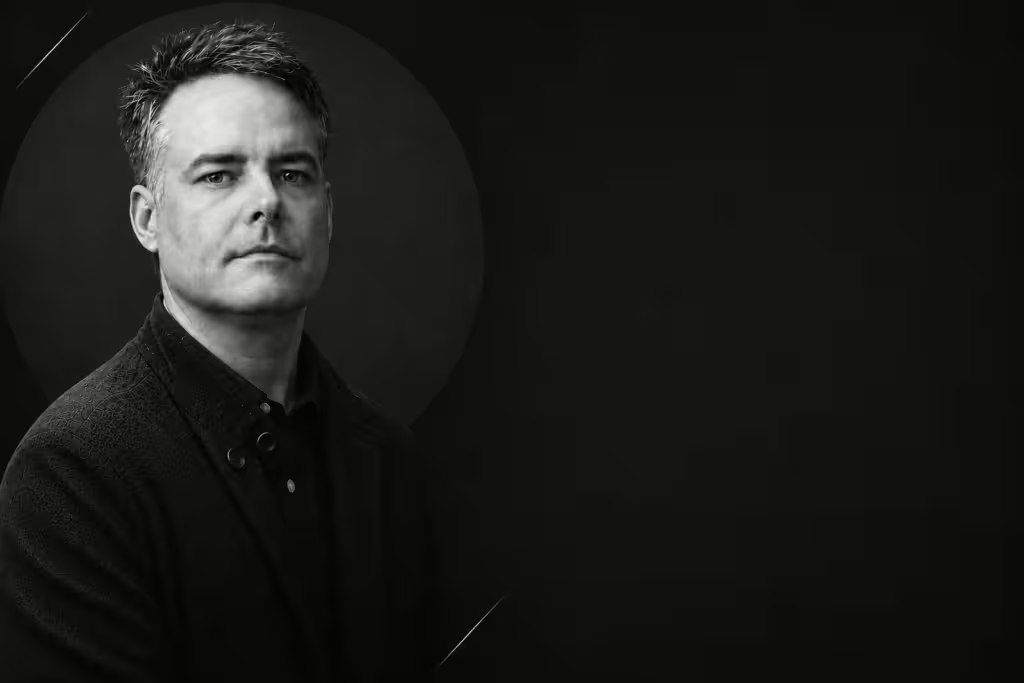
Sebastián Lelio, the Chilean director whose trans drama A Fantastic Woman won Chile its first Oscar for best international feature, has died at 52. His partner Amalia Kassai announced the death on Instagram in Spanish, calling it a painful time for his family, without stating a cause. Chilean media reported that he died at his home in Las Condes, Santiago.
Details:
- The announcement: Kassai posted the news on Instagram and did not specify a cause of death, according to the Guardian. Chilean outlets placed the death at the director’s home in the Las Condes district of Santiago. No funeral arrangements were disclosed.
- Early career: Born in Argentina, Lelio moved to Chile at the age of two. He studied journalism for a single year before graduating from film school, and released the 9/11 documentary Cero in 2003. His first narrative feature, The Sacred Family, premiered at the San Sebastián festival in 2005.
- The breakthrough: After Christmas premiered at Cannes in 2009, it was 2013’s Gloria that delivered his international breakout. The drama followed a woman in her late 50s returning to dating, premiered at Berlin, and won its lead Paulina García an acting prize at the festival.
- The Oscar: A Fantastic Woman, centred on the life of a trans woman, became the first Chilean film to win the Academy Award for best international feature. The Guardian’s Peter Bradshaw gave it five stars, describing it as a sublime study in the exalted ordeal of grief.
- Political impact: Lelio told the Guardian in 2018 that when the film was released in 2017, a gender identity bill had been dormant in Chile’s congress for seven years. He said the release, and the global attention it drew that year, helped reactivate the debate at home.
- English-language work: His English-language debut was Disobedience, a London-set queer love story starring Rachel Weisz and Rachel McAdams, nominated for five British independent film awards. He then remade Gloria as Gloria Bell, relocated to America with Julianne Moore in the lead.
- Later films: Lelio followed with a critically acclaimed adaptation of Emma Donoghue’s novel The Wonder, starring Florence Pugh. His final film was 2025’s The Wave, a musical protest drama that premiered at Cannes.
- On directing: He told the Guardian he loved working with actors and needed them to trust him enough to explore, get lost, be foolish or brave. He described the set as “where the sparkle is,” and likened making a film to leaving a gift somewhere and hiding to see what happens.
Background:
Chile’s film industry had never won the Academy Award for best international feature before A Fantastic Woman. Lelio built his career across two tracks: Spanish-language dramas rooted in Santiago, and English-language productions in London and the United States drawing established stars.
Between the lines:
Lelio’s run shows a director who kept returning to the same subject from new angles: women reclaiming their lives in middle age, told first in Gloria, then remade with Julianne Moore. His own account of A Fantastic Woman reviving a stalled gender identity bill reflects a film-maker who measured his work partly by its effect beyond cinemas.
What’s next
The Wave, which premiered at Cannes in 2025, now stands as his last completed work. Tributes from Chilean cultural institutions and from collaborators including Moore, Weisz and Pugh are the next signals to watch.