Key Points
- Qatari mediators spent more than 12 hours in Tehran Friday seeking to restart direct U.S.-Iran negotiations, diplomatic sources said.
- Washington is days away from a possible military operation against Iran that could trigger retaliation across Israel and the Gulf.
- A regional war would hit Gulf energy infrastructure and deepen the global energy crisis, according to diplomatic and U.S. officials.
The latest:
More than 12 hours of talks in Tehran on Friday failed to produce a breakthrough between Washington and Iran, though a diplomatic source described positive progress and said the sessions would resume Saturday in Doha. Qatari mediators stayed in regular contact with the White House throughout the day, the source said, as they pushed both sides toward a set of reciprocal steps that would reopen direct negotiations on the nuclear file.
Details:
- The mediation plan: Qatari mediators are pressing both capitals to accept a package of reciprocal steps implemented over a few days, returning the parties to direct talks on the Iranian nuclear program and other outstanding issues, a diplomatic source said. No timetable for resuming those talks has been announced.
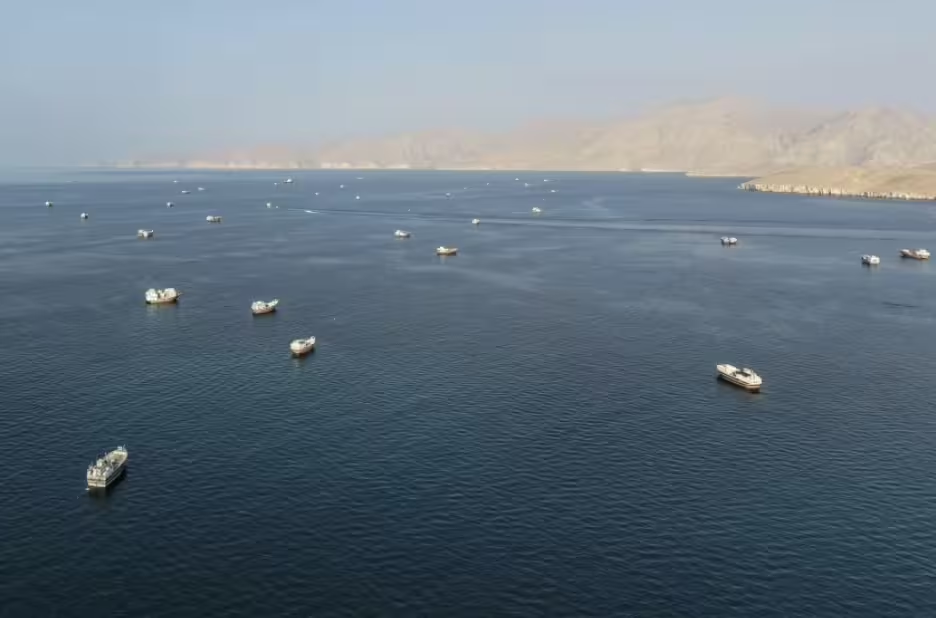
- The sticking point: A U.S. official said two competing demands have blocked progress: the Trump administration insists Iran make nuclear concessions as a condition for resuming talks, while Tehran wants Washington to first lift its naval blockade, release frozen funds and allow it to sell oil.
- Confidence-building: Mediators are trying to persuade Iran to let U.N. inspectors visit its bombed nuclear sites, with Washington responding by easing some sanctions. The scope of that relief has not been specified.
- The hawks: Defense Secretary Pete Hegseth and Secretary of State Marco Rubio are highly skeptical any nuclear agreement is reachable with the current Iranian leadership, a U.S. official said, and believe Trump’s legacy should be weakening the system further, including through additional strikes.
- The dealmakers: Vice President Vance and envoys Steve Witkoff and Jared Kushner want negotiations resumed, the same official said, while Trump doubts Iran will ever accept terms he finds acceptable. Treasury Secretary Scott Bessent is urging him to let his economic pressure campaign run its course.
- Trump’s line: Speaking to reporters Friday, the president said talks were underway and that Washington had time, describing the confrontation as a war but not a typical one. He gave no indication of when he would decide on military action.
- The midterm clock: A regional source said Egypt, Turkey, Iraq, Pakistan and Saudi Arabia have all pressed Iran to resume negotiations before the midterms. One U.S. official assessed Trump would be likelier to order a major operation if Republicans lose badly, saying a humiliated president would act boldly.
- The denial: A White House official rejected that reading, saying the election results will not factor into Trump’s decision-making on Iran. The leaders of Saudi Arabia and Turkey separately urged him in recent days to allow more time for diplomacy.
- Israel’s push: Prime Minister Benjamin Netanyahu is lobbying Trump to launch a joint operation against Iran immediately after the election. Any U.S. attack would be carried out together with Israel, which would likely face Iranian missile retaliation and possible Hezbollah strikes.
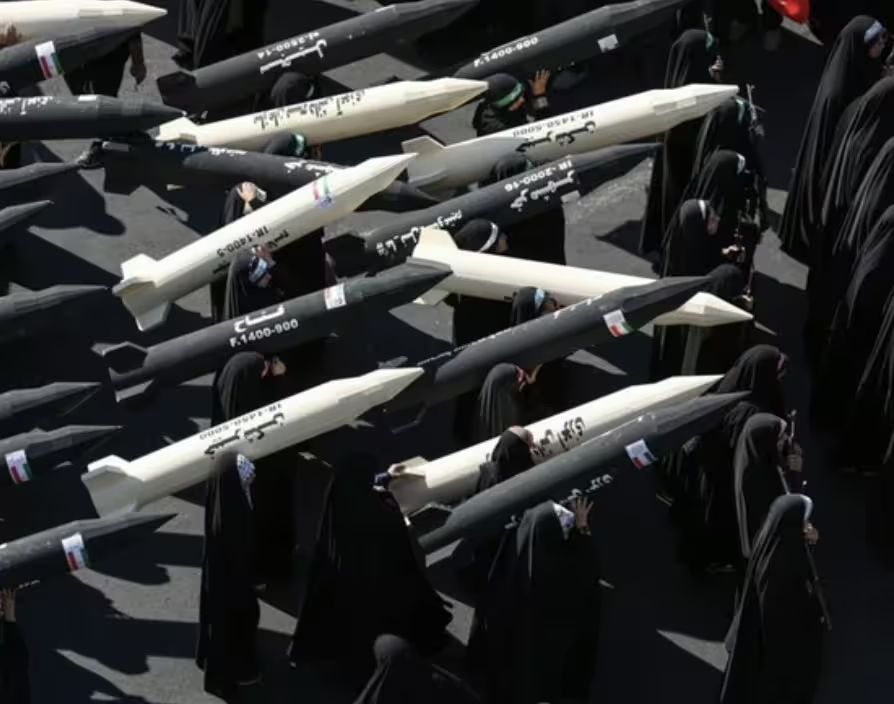
- The energy threat: Iran has vowed to answer any U.S. strikes on its energy infrastructure by hitting oil and gas facilities in Saudi Arabia, the UAE, Qatar, Kuwait and Bahrain. The diplomatic source summarizing Friday’s session said: “There was positive progress.”
Between the lines:
The Gulf states pressing Tehran to talk are the same ones Iran has threatened to strike, which explains why Egypt, Turkey, Iraq, Pakistan and Saudi Arabia are lobbying in the same direction. The confidence-building sequence under discussion — inspectors in, sanctions eased — is designed to bypass the core deadlock, since neither side has moved on its opening demand.
What’s next
Mediation resumes Saturday in Doha. Watch whether Iran accepts U.N. inspector access to bombed nuclear sites, whether Washington signals any sanctions relief, and how Trump responds to the midterm results.