Key Points
- Commemorations began at 6:29 a.m., marking three years since the Hamas-led attack killed nearly 1,200 people.
- Memorials coincide with enduring mental-health strain and sweeping changes to Israel’s military readiness and reserve system.
- Families, survivors and communities are confronting grief, accountability demands and the attack’s continuing social consequences.
The latest
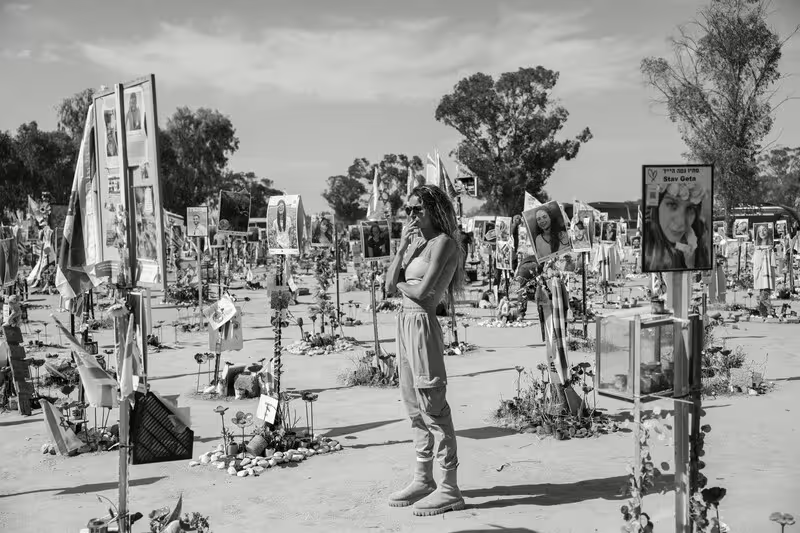
Commemorations began across Israel at 6:29 a.m., the moment the October 7, 2023 attack started, as survivors, bereaved families and communities marked three years since Hamas-led terrorists invaded southern Israel. Nearly 1,200 people were killed and 251 were abducted to Gaza, leaving a national legacy visible in memorial gatherings, prolonged military mobilization, mental-health distress and continuing demands for accountability.
Details
- Memory sites: At Kibbutz Re’im, families and survivors are returning to the Nova festival site, where 378 people were killed and 44 taken hostage. Ceremonies are also being held in Gaza-border communities and nationwide. The October Council called for a noon minute of silence, while Kumu scheduled a separate 9:15 p.m. ceremony at Tel Aviv’s Yarkon Park.
- Police sacrifice: The central police ceremony is at Sderot station, where attackers killed 20 officers and barricaded themselves inside. Security forces fought a prolonged battle before demolishing the building with a bulldozer. Dozens more officers died across southern Israel while confronting attackers and defending communities, roads and strategic sites.
- Mental-health burden: ERAN recorded 928,911 requests for assistance over three years, handled by 1,850 trained volunteers supported by professionals. Of those contacts, 774,604 came by telephone and 154,307 through WhatsApp, chat, SMS and email. Early trauma, panic and grief increasingly shifted toward loneliness, chronic distress and burnout, while contacts involving suicidal thoughts, intentions or actions rose sharply among teenagers and young adults.
- Reserve strain: Reservists now serve an average 80 to 100 days annually, against 55 days previously planned, while the reserve force has expanded about 36% since the conflict began. Repeated call-ups have carried the war into family life, workplaces and education, with many reservists moving repeatedly between civilian routines and combat duty.
- Military overhaul: The IDF reorganized intelligence around adversaries’ operational readiness, contradictory information, uncertainty and internal debate, while strengthening links between field observation and analysis. It says overall preparedness and reserve capacity doubled, Air Force readiness rose fourfold and sixfold in some units, about 40 forward positions were established along Gaza, northern local-defense personnel tripled, rapid-response units were created and a Gilead division was established on the eastern border.
- Public reckoning: Memorials are taking place in hospitals, workplaces, technology companies, restaurants and public institutions. “The Space That Remains,” displaying victims’ belongings, is opening at the Peres Center in Jaffa. Demonstrations demanding accountability are expected in Tel Aviv, Jerusalem, Haifa, Caesarea and at junctions nationwide, reflecting disputes over responsibility and crisis management.
What’s next
The nationwide minute of silence is scheduled for noon, followed by the 9:15 p.m. Yarkon Park ceremony. Memorial gatherings and accountability demonstrations will continue through the day in communities and cities across Israel.