Key Points
- Iran has received Washington’s official response to its latest proposal for ending the seven-month war.
- Tehran tied reopening Hormuz to port access, frozen assets and relief from oil sanctions.
- A deal could restore commercial shipping and ease pressure on global energy markets.
The latest
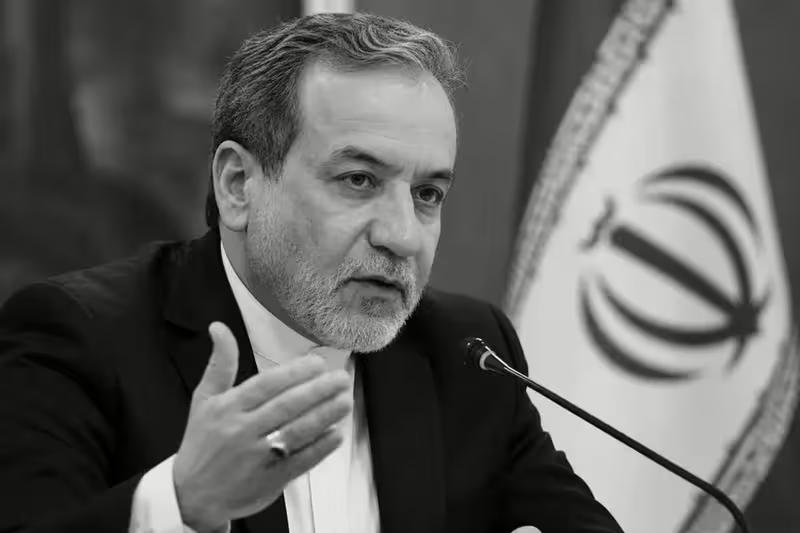
Iranian Foreign Minister Abbas Araghchi presented Washington’s response to President Masoud Pezeshkian at a Cabinet meeting on Wednesday, reopening a diplomatic channel after President Donald Trump publicly rejected Tehran’s proposal. The response’s content was not disclosed, and Iranian officials did not say whether it amounted to a formal rejection. Pezeshkian said Iran would work to secure an agreement while defending Iranian rights, adding that any accord must follow a “win-win strategy.”
Details
- Diplomatic route: The exchange followed indirect US-Iranian discussions held on the sidelines of the United Nations General Assembly in New York last week. Qatar and Pakistan acted as intermediaries, and regional mediators have continued efforts to narrow the remaining differences.
- Hormuz offer: Tehran proposed reopening the Strait of Hormuz within seven days if Washington lifted its blockade of Iranian ports, released frozen Iranian assets and eased sanctions affecting Iranian oil exports. Trump publicly called those conditions unacceptable last week, but contacts continued through mediators.
- Sequencing divide: A non-Iranian official briefed on the negotiations said the sides largely agreed on the steps required for a deal but remained divided over their order. Tehran wants guarantees and economic relief tied to Hormuz’s reopening; Washington seeks Iranian commitments on wider security and nuclear issues.
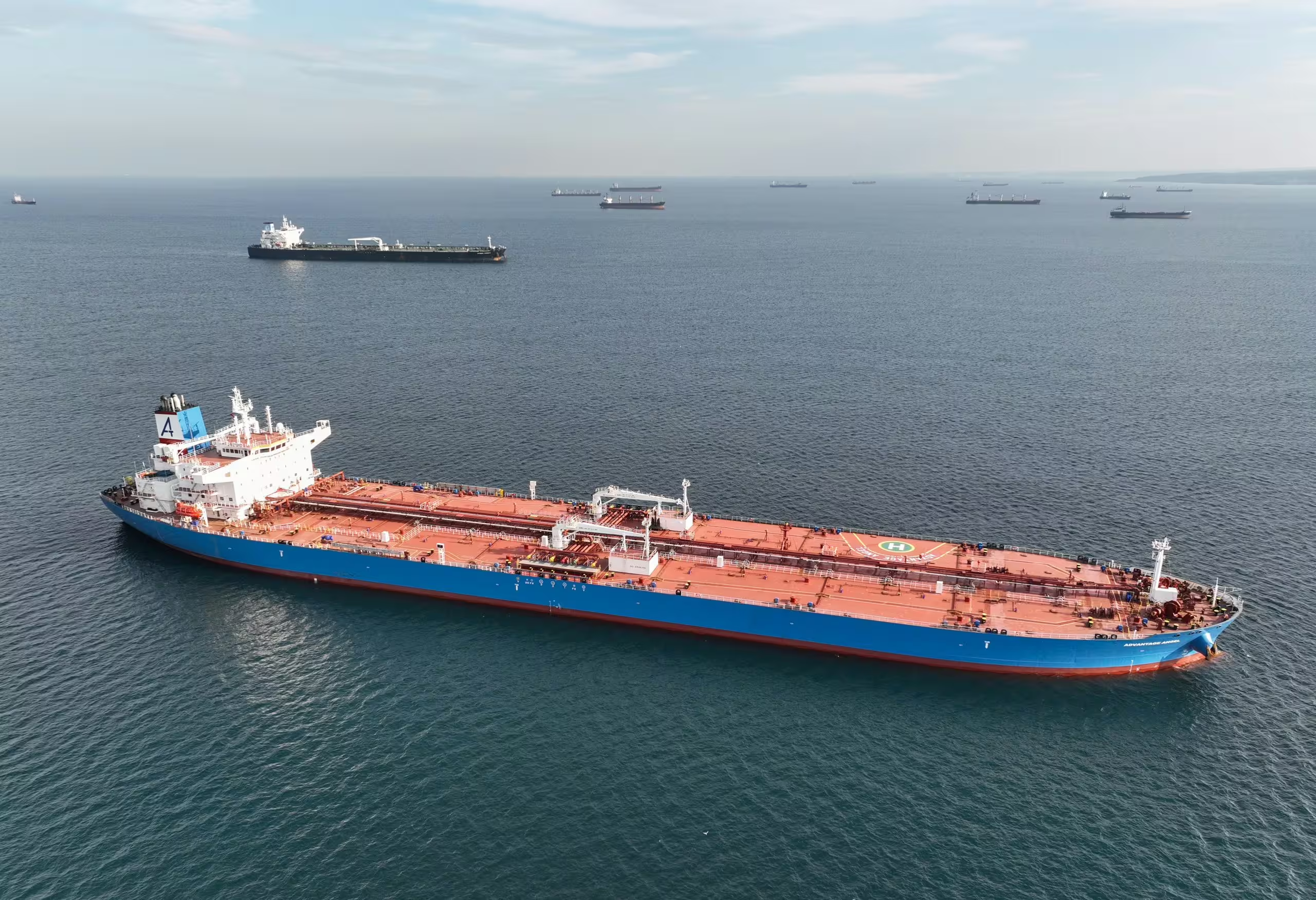
- Energy corridor: Before the war, about one-fifth of global oil and liquefied natural gas supplies moved through Hormuz. Commercial shipping remains heavily disrupted, while attacks and threats against vessels have raised the risks and costs of navigating one of the world’s most important energy routes.
- Economic pressure: The US Treasury announced new sanctions on Tuesday targeting people and entities accused of facilitating Iran’s military supply networks. The rial has fallen to successive record lows since the conflict began, as sanctions, disrupted trade and the port blockade add pressure to an economy already under severe strain.
- New York exit: Araghchi returned to Iran after several days in New York. US officials said Secretary of State Marco Rubio ordered his delegation to leave earlier than planned; the Iranian delegation disputed accounts that it had been expelled and said the departure was arranged in advance.
Between the lines
Public confrontation has continued alongside diplomacy. Washington has maintained economic pressure while indirect contacts proceed, and Tehran has linked economic concessions to restoring passage through Hormuz. The exchange now centers less on the broad steps than on which side acts first and what guarantees accompany implementation.
What’s next
The next indicator will be whether Tehran discloses or formally answers Washington’s response, and whether mediators can produce an agreed sequence covering Hormuz’s reopening, economic relief, guarantees and Iranian commitments. Any arrangement would need to resolve when each measure takes effect.