The latest:
Gulf capitals are openly calling for a reset with Tehran, with Qatar pressing for a regional security framework that includes Iran and the UAE urging a new mindset in Arab-Iranian talks. Qatari Prime Minister Sheikh Mohammed bin Abdulrahman Al Thani described the US-Israeli war launched in February as a wake-up call, according to the Financial Times.
Details:
- Qatar’s position: Sheikh Mohammed said Gulf states must act responsibly as a regional bloc and secure good relations with Iran, telling an event on the sidelines of the UN General Assembly that regional partners share the approach. Without a framework binding Gulf states and Iran, and guaranteeing none threatens the other, he warned the region faces greater risk.
- On Iran’s conduct: Asked whether Iran is a source of the region’s problems, the Qatari prime minister said its behaviour during the conflict showed it was not acting as a peacemaker, according to the Financial Times, while stressing that Tehran remains a neighbour of the Gulf states and will not stop being one.
- The UAE line: Anwar Gargash, diplomatic adviser to the UAE president, backed Arab dialogue with Tehran and said talks between Iran and Washington are making no real progress. He argued negotiations must also run at an Iranian-Arab level, and said geography leaves the Gulf no option but engagement.
- The numbers: The UAE absorbed the heaviest share of Iranian strikes on Arab neighbours in the war’s first months, hit by close to 3,000 missiles and drones, the Financial Times reported. Abu Dhabi took the toughest line among Gulf powers and answered with dozens of its own air raids on Iran.
- The de-escalation: The UAE has since worked to cool tensions to protect its standing as a regional hub for finance, trade and tourism. Abu Dhabi Crown Prince Sheikh Khaled bin Mohamed bin Zayed Al Nahyan met Iranian President Masoud Pezeshkian this month on the sidelines of the BRICS summit in India.
- The Saudi track: Diplomats and analysts said Riyadh has also discussed a non-aggression pact between Middle Eastern states and Iran since the war began, as part of talks with allies on managing regional tensions once the conflict ends.
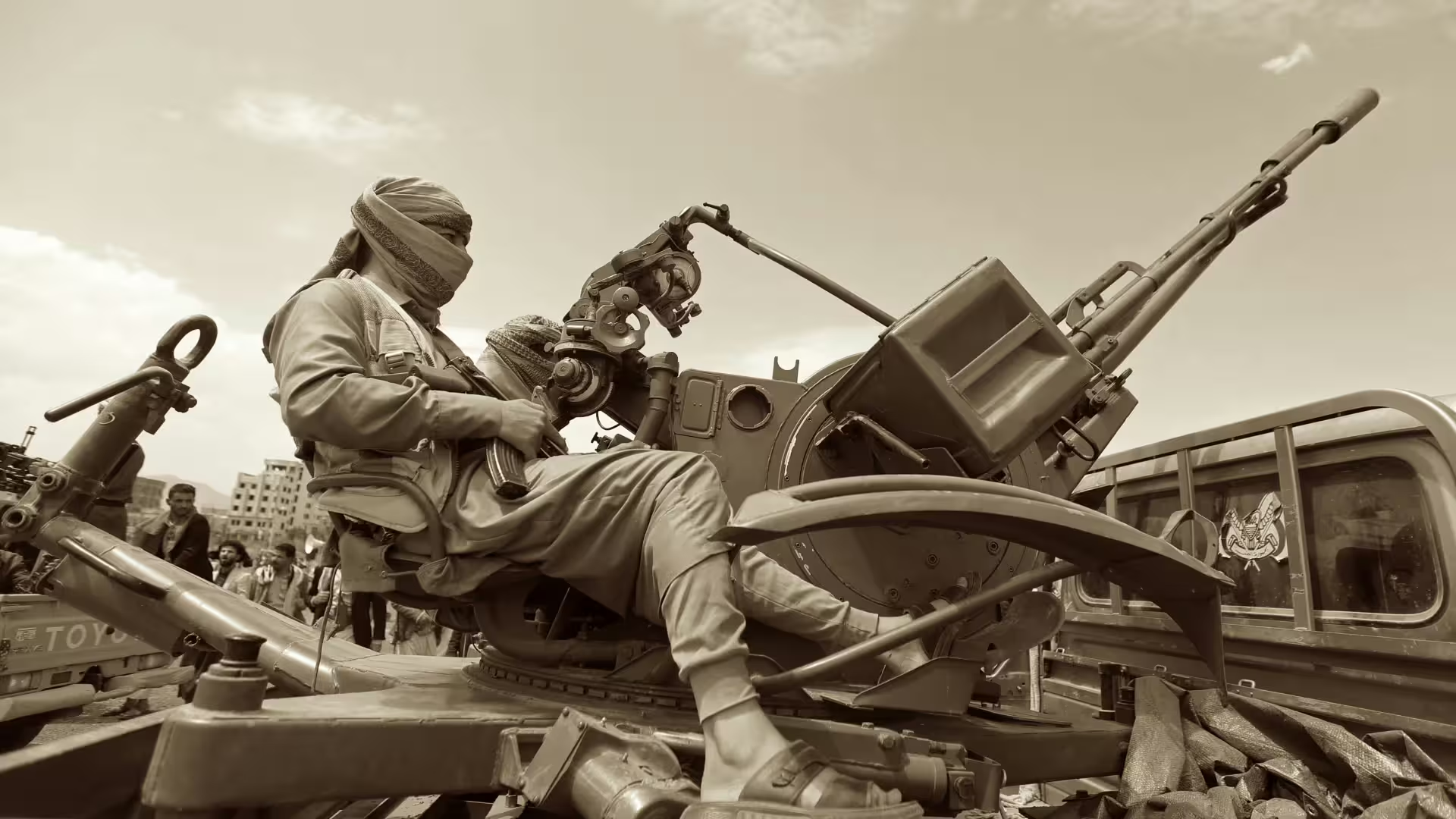
- The Yemen front: Saudi Arabia faces a fresh crisis after Iran-backed Houthi rebels reignited their decade-old conflict with the kingdom in recent weeks, launching near-daily barrages of missiles and drones. President Donald Trump has so far resisted Crown Prince Mohammed bin Salman’s calls for US forces to join strikes on the Houthis.
- The leverage: Tehran is weakened but still a threat, having shown it can strike across the region and paralyse shipping through the Strait of Hormuz, the artery for Gulf exports and imports. That capability underpins the Gulf argument for a negotiated framework.
- The analyst view: Sanam Vakil of Chatham House said Gulf leaders now see their external guarantor as less reliable and must manage their own security without a dependable American pillar. She called it an urgent necessity and an opportunity, arguing a weakened Iran lets regional states take ownership of their security.
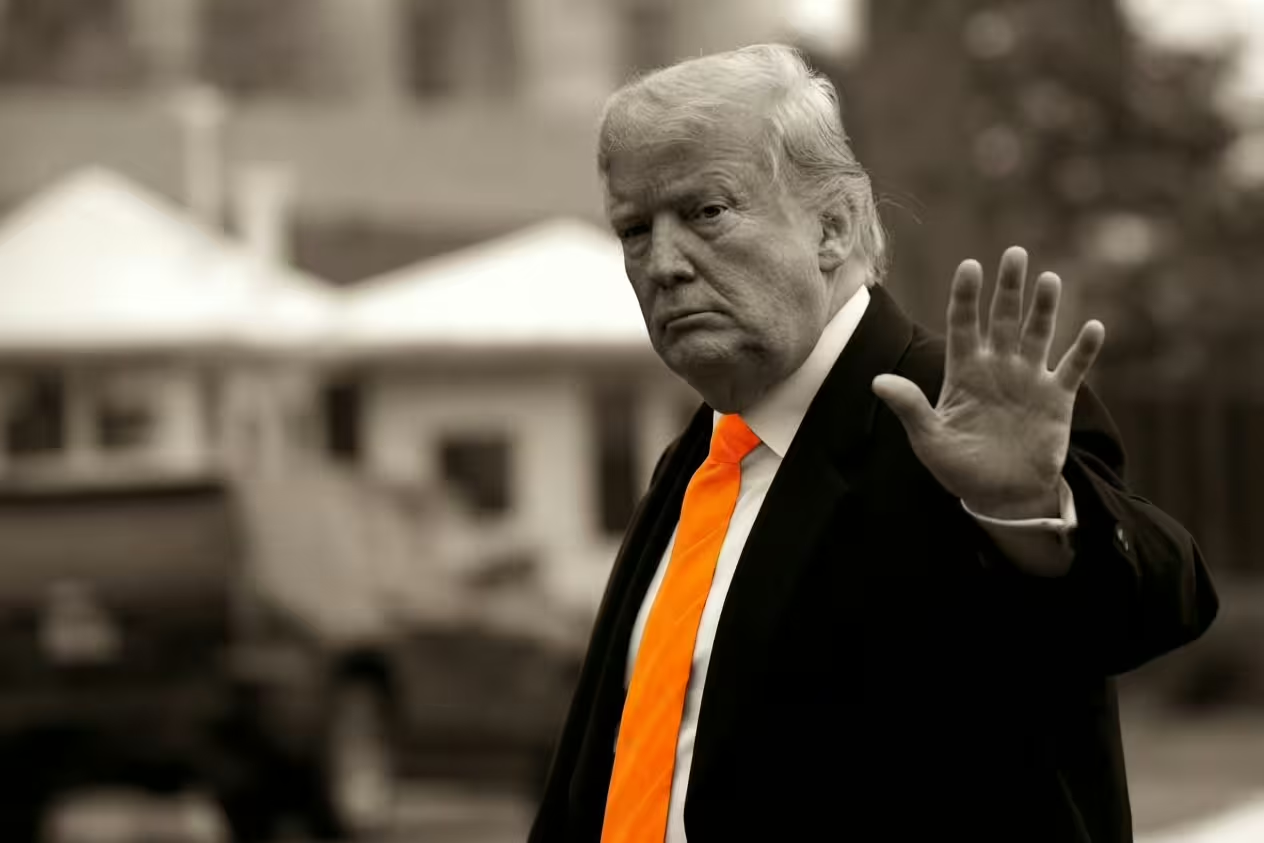
- Trump’s options: Trump told Fox News over the weekend he is “probably” open to meeting the Iranian president. The network reported he is at a decision point, weighing options ranging from destroying Iran, to leaving it to rot economically, to striking a deal.
Background:
Gulf states had urged Washington against launching the war. The US and Israel attacked Iran in February, and the United States is now deeply entangled in the conflict, leaving Gulf capitals to manage a post-war relationship with a neighbour they cannot relocate.
Between the lines:
The Emirati shift is the sharpest tell. The state that fired back hardest, after absorbing nearly 3,000 projectiles, is now the one arguing geography forces engagement and sending its crown prince to meet Pezeshkian. Read alongside Riyadh’s non-aggression pact talks and Trump’s refusal to strike the Houthis, the Gulf is pricing in an American guarantee it no longer treats as automatic.
What’s next
Arab leaders are expected to raise the crisis with Trump on the sidelines of the UN summit in New York this week. Pezeshkian and Foreign Minister Abbas Araghchi are also due to attend.