Key Points
- Trump promised a forceful response after Iranian attacks on US positions in Jordan and the UAE.
- Oil climbed above $90 as the exchange ended more than a month of relative calm.
- The escalation threatens wider war while sanctions and collapsed talks leave diplomacy stalled.
The latest
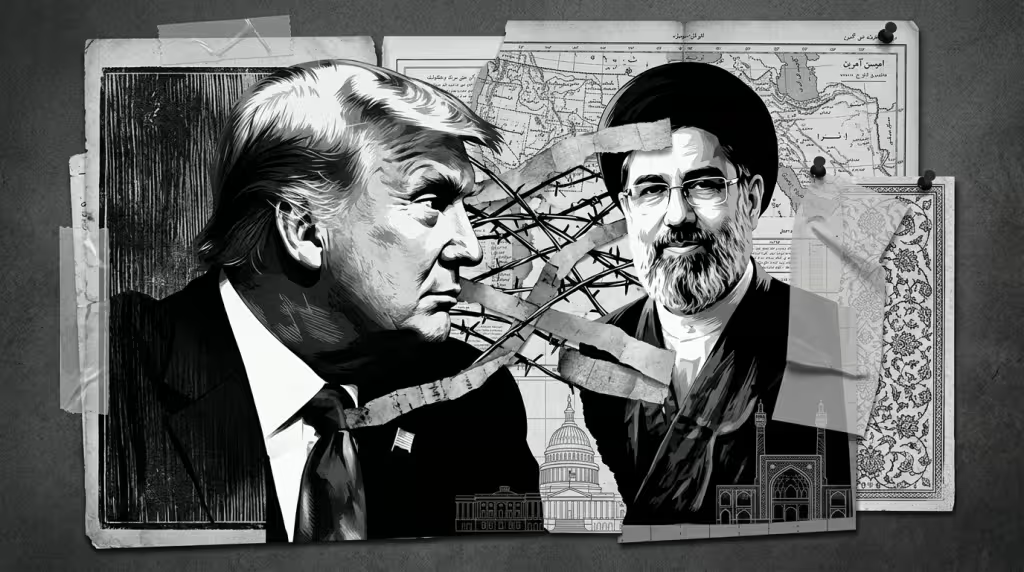
President Donald Trump vowed to hit Iran “hard” after Tehran retaliated for a US strike on Larak Island with missile and drone attacks against American military sites in Jordan and the United Arab Emirates. The first exchange of fire in more than a month drove oil prices up more than 3 per cent and above $90 a barrel. Trump said one Iranian missile penetrated US air defences while the others were intercepted, and promised an American response.
Details
- US strike: US Central Command called Sunday’s operation a “limited, precise action” against two Iranian rocket launchers. It said the Revolutionary Guards appeared ready to fire rockets carrying sea mines into the Strait of Hormuz. The death toll rose to three after a wounded person died in hospital, the Guards-affiliated Tasnim news agency reported.
- Iran’s response: The Revolutionary Guards said missiles and drones struck technical and maintenance infrastructure and fighter-jet positions at two US bases in Jordan. Iran’s regular army said it launched dozens of attack drones at Al Minhad Air Base in the UAE. An Iranian official threatened responses “dozens of times greater” for each US attack.
- Kharg warning: Trump posted an AI-generated video depicting strikes on Kharg Island, Iran’s vital oil export hub. Vice-president JD Vance said the post warned Tehran to stop attacking commercial shipping or face consequences, while stressing that Trump does not announce military operations on social media.
- Economic front: Treasury secretary Scott Bessent said US pressure sought to create conditions for Tehran to return to negotiations, arguing Iran was striking militarily because it was losing economically. Deputy foreign minister Hamid Ghanbari said new sanctions would neither change Iran’s policies nor force the country to abandon them.
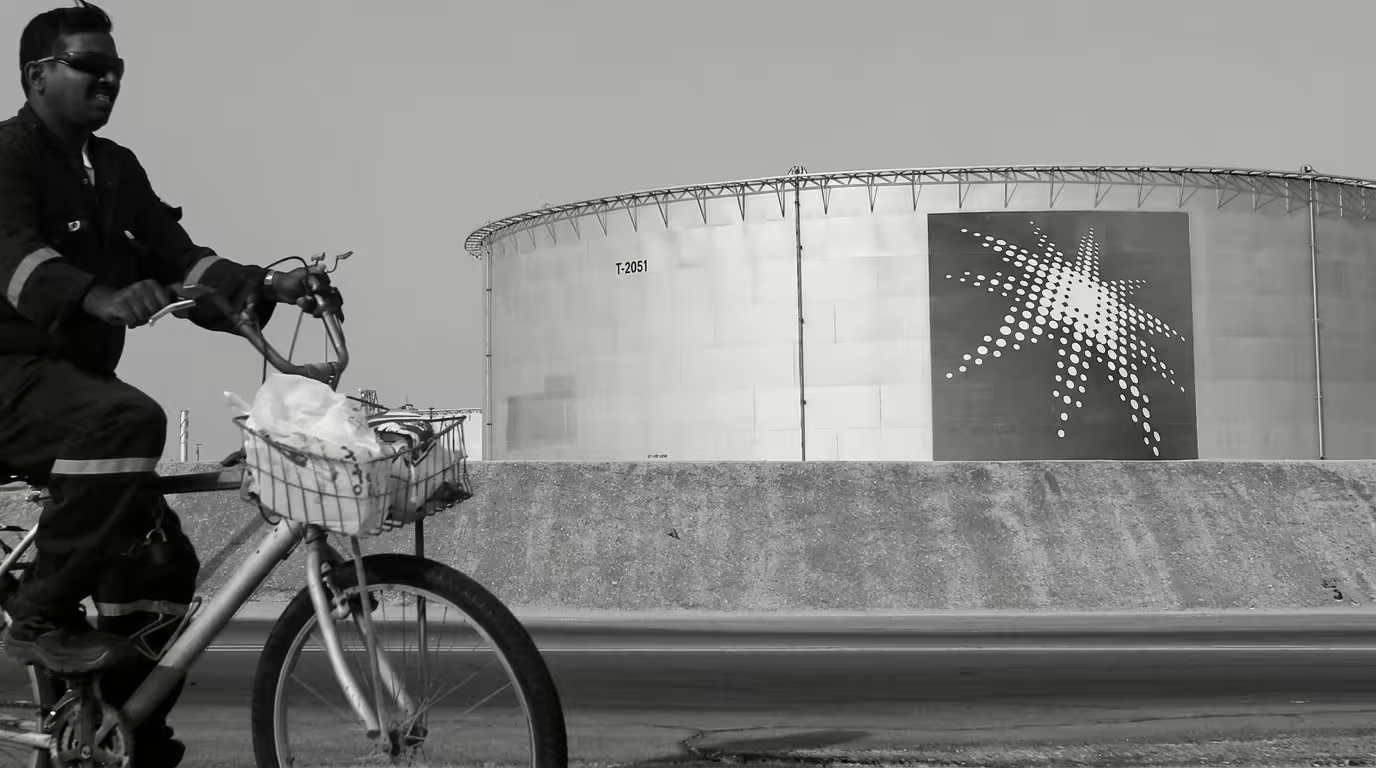
- Strategic stakes: The six-month war has settled into stalemate and US-Iran talks have collapsed. Washington has not fully reopened the Strait of Hormuz, which carried a fifth of global oil and gas flows before the war. Larak sits at the strait’s entrance and hosts missile, mine and drone capabilities used to monitor or attack shipping.
- Regional reaction: Qatar condemned the attacks on Jordan and the UAE as a dangerous escalation and urged an immediate halt to military action and a return to dialogue. Pakistani Prime Minister Shehbaz Sharif urged restraint and sustained diplomacy in talks with Iranian President Masoud Pezeshkian at the Shanghai Cooperation Organisation summit in Bishkek.
Background
Pezeshkian said Iran was “not seeking war” but would respond firmly to aggressors. A senior Guards adviser, Mohammad Reza Naqdi, said more than 90 per cent of Iran’s missile stockpile remained untouched and warned that further attacks would impose a heavy cost.
What’s next
Trump now faces a decision on the scale and timing of the military response he promised. Regional diplomacy continues at the Shanghai Cooperation Organisation security forum in Bishkek, where Pezeshkian is attending meetings.